
Good Friday
Good Friday: Solemnity of the Passion and Death of the Lord
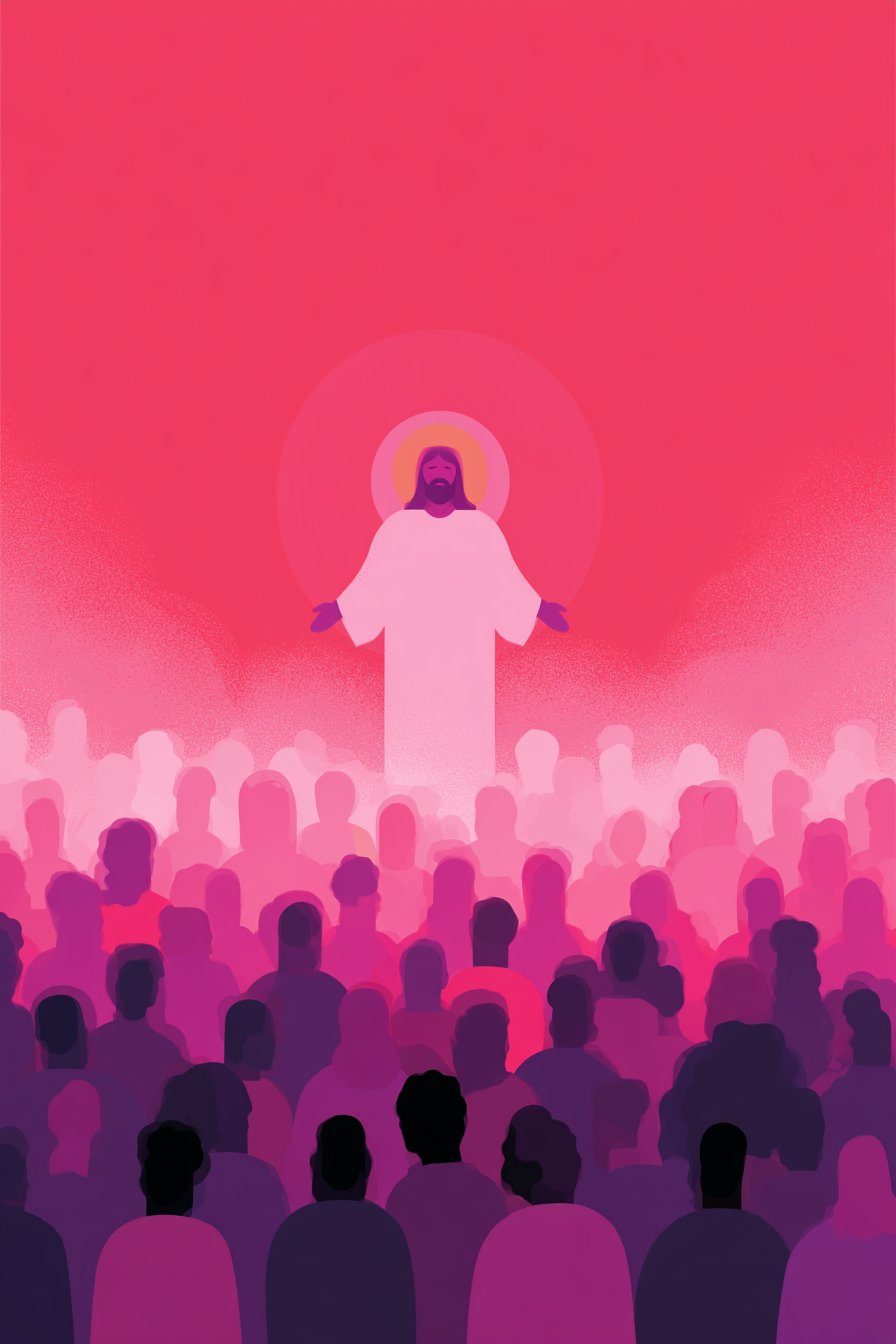
Understanding Good Friday
Good Friday, observed on the Friday before Easter, is a solemn day commemorating the Passion and Death of Jesus Christ. It is a day of fasting and reflection, marking the culmination of Christ's sacrifice for humanity's salvation.
On this day, the Church reflects on the suffering and death of Jesus, emphasizing themes of sacrifice, redemption, and hope. The liturgy includes the reading of the Passion narrative, veneration of the cross, and the reception of Holy Communion, all fostering a deep connection to Christ's sacrifice.
Origins and Development
The observance of Good Friday dates back to the early Christian Church, evolving from simple commemorations to the structured liturgies of today. Over centuries, it has become a central observance in the Christian liturgical calendar, deeply embedded in the traditions of the Church.
The term 'Good Friday' reflects the Church's reverence for the day, viewing Christ's death as a 'good' act that brought salvation to humanity. The liturgical practices have developed to help the faithful enter into the mystery of Christ's Passion.
For God so loved the world that he gave his only Son, that whoever believes in him should not perish but have eternal life.
— John 3:16For God so loved the world that he gave his only Son, that whoever believes in him should not perish but have eternal life.
John 3:16Symbols & iconography
- CrucifixRepresents the instrument of Christ's sacrifice and the central symbol of Christian faith.
- Crown of ThornsSymbolizes the suffering and mockery Jesus endured during his Passion.
- NailsRepresent the physical suffering and the reality of Christ's crucifixion.
Customs & traditions
Veneration of the Cross
A ritual where the faithful approach and kiss the cross, honoring Christ's sacrifice.
Reading of the Passion
The narrative of Christ's Passion is read aloud, inviting reflection on his suffering.
Fasting and Abstinence
Observing a day of fasting and abstinence to honor the solemnity of the day.
Prayers & readings
About this date
Good Friday is observed on the Friday before Easter, marking the day of Christ's crucifixion and death.
Frequently asked
Why is Good Friday called 'Good'?
The term 'Good' reflects the Church's reverence for the day, viewing Christ's death as a 'good' act that brought salvation to humanity.
Can we eat on Good Friday?
Catholics are encouraged to fast and abstain from meat on Good Friday as acts of penance and reflection.
Why is Good Friday a day of fasting?
Fasting on Good Friday commemorates the suffering and sacrifice of Jesus, fostering spiritual reflection.
Pray it as a household
Bring the feast into your family’s day
Solua walks your family through the day’s prayer together — a few unhurried minutes, shaped by the season.
Pray Together