
Saint Hilary, Bishop and Doctor of the Church
Saint Hilary of Poitiers: Bishop and Doctor of the Church
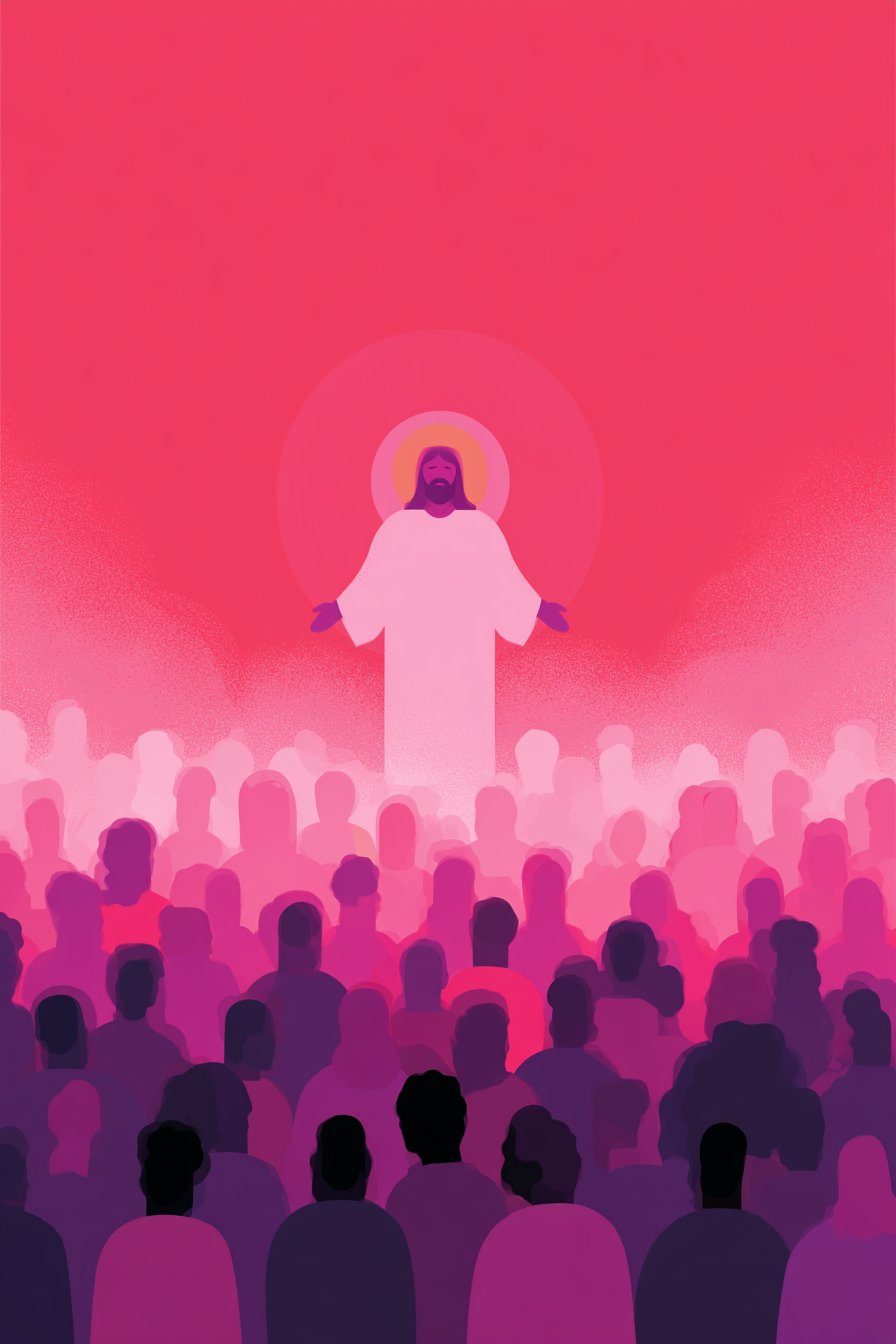
Who Was Saint Hilary?
Saint Hilary of Poitiers (c. 310–c. 367) was a bishop and theologian renowned for his unwavering defense of the divinity of Jesus Christ. Born into a noble pagan family in Poitiers, France, he converted to Christianity after a profound personal journey, eventually becoming the bishop of his hometown. His most significant work, 'De Trinitate' (On the Trinity), articulates the Church's understanding of the Holy Trinity and counters Arianism, a heresy that denied Christ's divinity. Hilary's steadfastness in faith led to his exile by Emperor Constantius, but he continued to shepherd his flock through letters and teachings until his return to Poitiers. He was declared a Doctor of the Church by Pope Pius IX in 1851 for his contributions to Christian theology and doctrine.
For families, Saint Hilary's life exemplifies courage in the face of adversity and a deep commitment to truth. His dedication to understanding and professing the divinity of Christ serves as a model for parents and children alike, encouraging them to seek knowledge, stand firm in their beliefs, and support one another in their faith journey.
The Life and Legacy of Saint Hilary
Saint Hilary was born around 310 in Poitiers, Aquitaine, into a wealthy pagan family. His quest for truth led him to Christianity, and he was baptized at approximately 30 years old. As bishop of Poitiers, he became a formidable opponent of Arianism, which denied the divinity of Christ. His opposition to Emperor Constantius's pro-Arian policies resulted in his exile to Phrygia. During this time, Hilary studied Greek and Eastern Christian writings, enriching his theological understanding. Upon his return to Poitiers, he worked tirelessly to restore orthodox faith, convening synods and reconciling bishops. He passed away around 367, leaving a legacy as a staunch defender of the Nicene Creed and a pivotal figure in early Christian theology.
The celebration of Saint Hilary on January 13th honors his steadfast commitment to the truth of Christ's divinity. This date serves as a reminder of his enduring influence on Christian doctrine and his example of unwavering faith amidst persecution.
Grant, we pray, almighty God, that we may rightly understand and truthfully profess the divinity of your Son, which the Bishop Saint Hilary taught with such constancy.
— Collect Prayer for the Optional Memorial of Saint Hilary of PoitiersLet your light shine before others, that they may see your good deeds and glorify your heavenly Father.
Matthew 5:16Symbols & iconography
- FlameSymbolizes Saint Hilary's fervent defense of the truth.
- BookRepresents his theological writings, especially 'De Trinitate'.
Customs & traditions
Family Scripture Reading
Read passages from the Gospel of John, reflecting on the divinity of Christ.
Theological Discussion
Engage in a family discussion about the nature of the Holy Trinity.
Prayer for Courage
Pray for the strength to uphold truth and faith in daily life.
About this date
January 13th is dedicated to Saint Hilary to honor his steadfast defense of Christ's divinity and his contributions to Christian theology.
Frequently asked
Why is Saint Hilary called a Doctor of the Church?
He was declared a Doctor of the Church by Pope Pius IX in 1851 for his significant contributions to Christian theology and doctrine.
What is the significance of Saint Hilary's exile?
His exile by Emperor Constantius highlights his unwavering commitment to the truth of Christ's divinity, even in the face of persecution.
How can families honor Saint Hilary?
Families can honor Saint Hilary by reading Scripture, discussing theological topics, and praying together for courage and faith.
Pray it as a household
Bring the feast into your family’s day
Solua walks your family through the day’s prayer together — a few unhurried minutes, shaped by the season.
Pray Together