
Saint John Paul II, Pope
Saint John Paul II, Pope, Optional Memorial on October 22
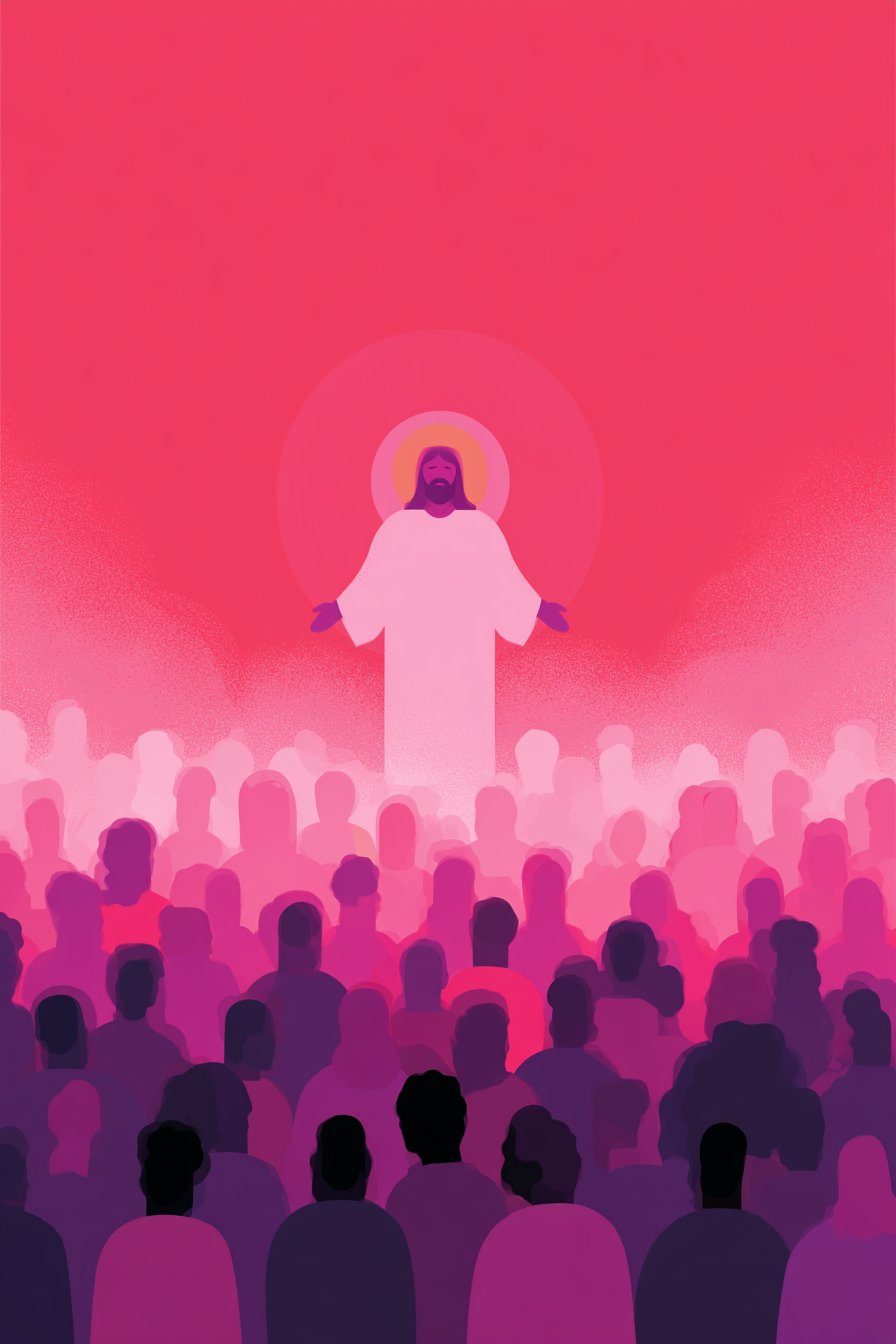
Celebrating Saint John Paul II
Saint John Paul II, born Karol Józef Wojtyła in 1920 in Wadowice, Poland, was elected Pope on October 16, 1978. His papacy, lasting over 26 years, was marked by extensive travels, theological writings, and efforts to promote human dignity and interfaith dialogue. He was canonized on April 27, 2014, and his feast day is celebrated annually on October 22, the anniversary of his papal inauguration.
For families, this day offers an opportunity to reflect on his teachings, such as the importance of family, the sanctity of life, and the call to be witnesses of hope in the world. Engaging in prayers and activities that honor his legacy can strengthen family bonds and deepen faith.
Life and Legacy of Saint John Paul II
Karol Wojtyła's early life was marked by personal loss, including the deaths of his mother and brother before he turned 21. During World War II, he worked in a quarry and a chemical plant while studying for the priesthood in an underground seminary. Ordained in 1946, he became a bishop in 1958 and cardinal in 1964. His election as Pope in 1978 made him the first non-Italian pope in 455 years.
Pope John Paul II's pontificate was characterized by his extensive travels, theological writings, and efforts to promote human dignity and interfaith dialogue. He was canonized on April 27, 2014, and his feast day is celebrated annually on October 22, the anniversary of his papal inauguration.
Do not be afraid! Open, I say open wide the doors for Christ.
— Homily at Papal Inauguration, October 22, 1978Do not be afraid! Open, I say open wide the doors for Christ.
Homily at Papal Inauguration, October 22, 1978Symbols & iconography
- Papal CrossSymbolizes the authority and pastoral mission of the Pope.
- White CassockRepresents purity and the papal office.
Customs & traditions
Family Prayer Time
Gather as a family to pray the Rosary, focusing on the Joyful Mysteries, reflecting on the life of Christ.
Reading His Writings
Share passages from his encyclicals or writings that emphasize family and faith.
Acts of Charity
Engage in a family service project to help those in need, embodying his call to love and serve others.
Prayers & readings
About this date
The feast day is celebrated on October 22, the anniversary of his papal inauguration, as his death date often falls during Lent or Holy Week, making this date more suitable for the celebration.
Frequently asked
Why is Saint John Paul II's feast day on October 22?
His feast day is celebrated on October 22, the anniversary of his papal inauguration, as his death date often falls during Lent or Holy Week, making this date more suitable for the celebration.
What are some ways to celebrate his feast day at home?
Families can celebrate by praying the Rosary together, reading passages from his writings, and engaging in acts of charity.
What is the significance of the Papal Cross and white cassock?
The Papal Cross symbolizes the authority and pastoral mission of the Pope, while the white cassock represents purity and the papal office.
Pray it as a household
Bring the feast into your family’s day
Solua walks your family through the day’s prayer together — a few unhurried minutes, shaped by the season.
Pray Together