
The Nativity of the Blessed Virgin Mary
Celebration of the birth of the Blessed Virgin Mary, mother of Jesus Christ, on September 8th.
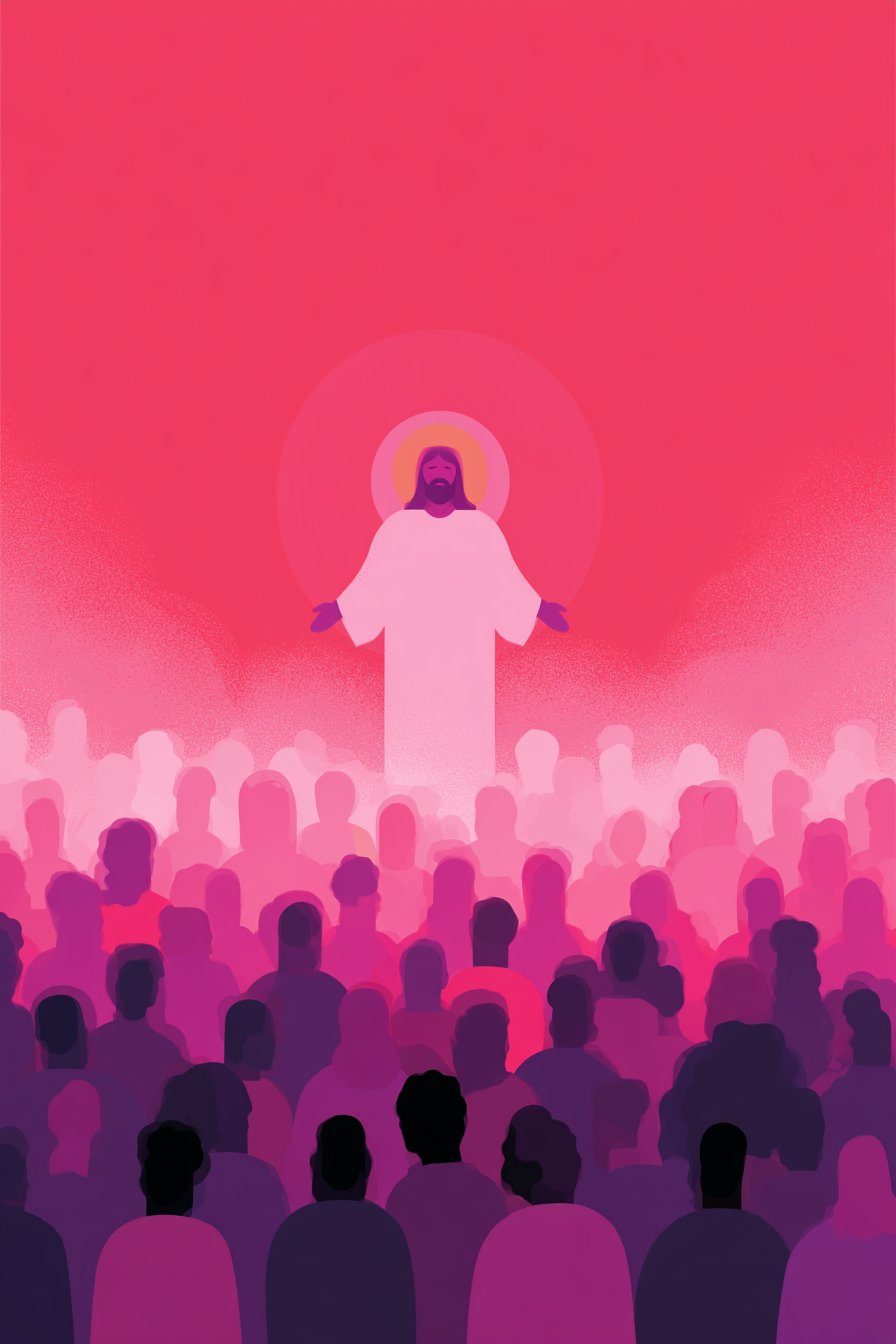
Understanding the Nativity of Mary
The Nativity of the Blessed Virgin Mary is a feast celebrated on September 8th, commemorating the birth of Mary, the mother of Jesus. This day is one of the few birthdays the Church honors, alongside those of Jesus and St. John the Baptist. The feast's origins trace back to the 6th century in Jerusalem, where a church was dedicated to Mary, believed to be built over the house of her parents, Saints Anne and Joachim. The celebration spread to Rome in the 8th century under Pope Sergius I.
While the Gospels do not provide details about Mary's birth or her parents' names, these traditions are derived from the 2nd-century apocryphal text, the Protoevangelium of James. The feast emphasizes Mary's role in God's plan, highlighting her purity and obedience, which set the stage for her acceptance of the Annunciation and her pivotal role in the Incarnation.
Origins and Development of the Feast
The earliest documentation of the Nativity of the Blessed Virgin Mary dates back to the 6th century, with St. Romanus composing hymns for the feast. The celebration began in Jerusalem, where a church was dedicated to Mary, believed to be built over the house of her parents, Saints Anne and Joachim. This tradition spread to Rome in the 8th century under Pope Sergius I.
The feast's establishment underscores the Church's recognition of Mary's significance in salvation history. It serves as a reminder of God's plan and the virtues exemplified by Mary, encouraging the faithful to emulate her faith and obedience.
"My soul magnifies the Lord, and my spirit rejoices in God my Savior."
— Luke 1:46-47And Mary said, "My soul magnifies the Lord, and my spirit rejoices in God my Savior."
Luke 1:46-47Symbols & iconography
- Mary's BirthplaceThe house of Saints Anne and Joachim in Jerusalem, believed to be the site of Mary's birth.
- Mary's ParentsSaints Anne and Joachim, depicted as elderly and childless, embodying hope and faith.
Customs & traditions
Attend Mass
Participate in the special Mass held on September 8th to honor Mary's birth.
Decorate with Flowers
Adorn your home with white flowers, symbolizing Mary's purity.
Share a Festive Meal
Prepare a meal with family, reflecting the joy of the occasion.
Pray the Rosary
Recite the Joyful Mysteries, focusing on the Annunciation and Mary's role.
Read Scripture
Reflect on passages that highlight Mary's virtues and significance.
Perform Acts of Charity
Emulate Mary's compassion by helping those in need.
Prayers & readings
About this date
The feast is celebrated on September 8th, nine months after the Solemnity of the Immaculate Conception on December 8th, highlighting the Church's recognition of Mary's significance in salvation history.
Frequently asked
Why is the Nativity of Mary celebrated on September 8th?
The date is nine months after the Solemnity of the Immaculate Conception on December 8th, emphasizing Mary's role in God's plan.
What is the significance of the Nativity of Mary?
It honors Mary's birth and her role in salvation history, encouraging the faithful to emulate her virtues.
How can we celebrate the Nativity of Mary at home?
Attend Mass, decorate with white flowers, share a festive meal, pray the Rosary, read Scripture, and perform acts of charity.
Pray it as a household
Bring the feast into your family’s day
Solua walks your family through the day’s prayer together — a few unhurried minutes, shaped by the season.
Pray Together