
Saint Thomas Aquinas, Priest and Doctor of the Church
Saint Thomas Aquinas, Priest and Doctor of the Church, is honored on January 28 for his profound contributions to theology and philosophy.
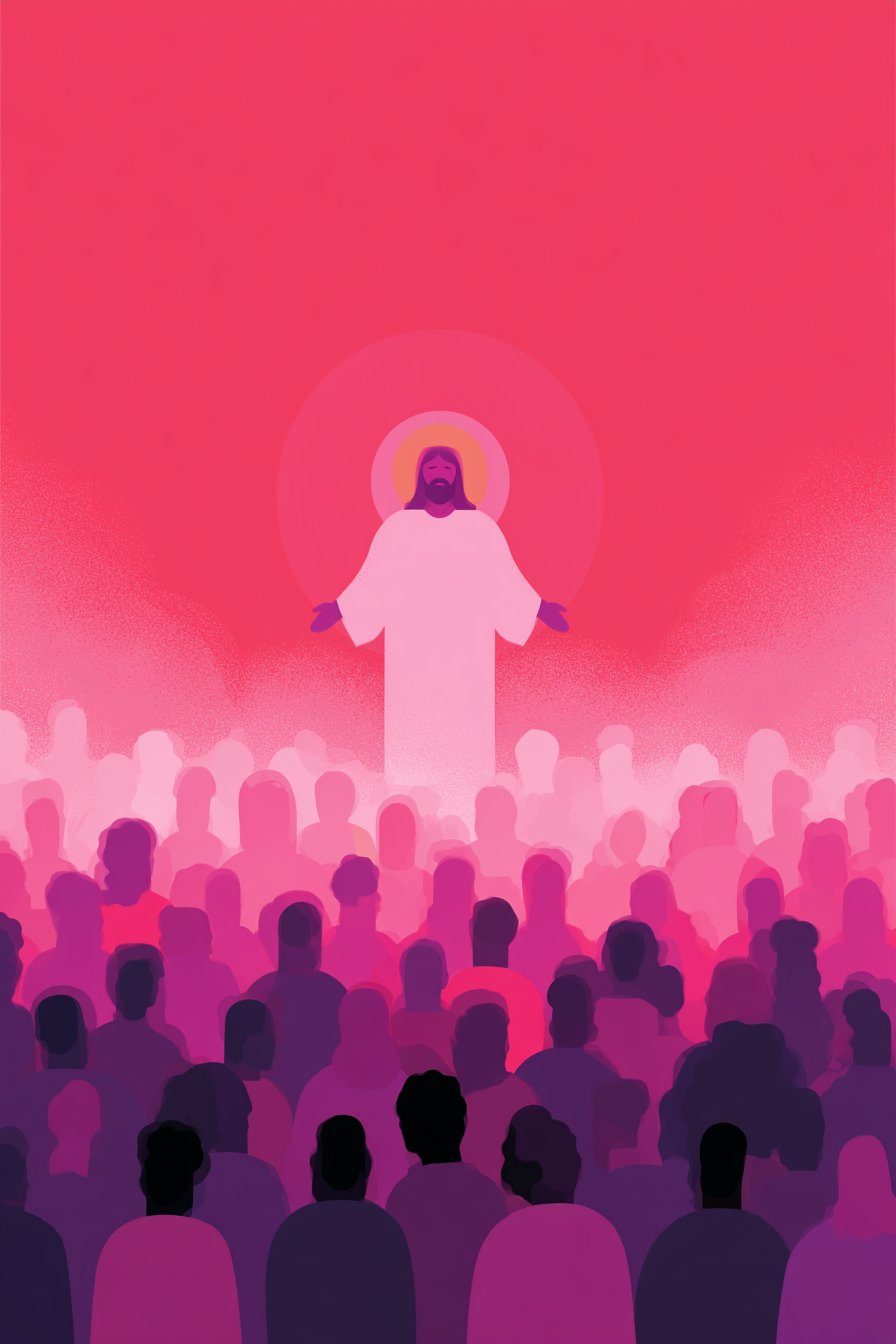
Honoring the Angelic Doctor
Saint Thomas Aquinas, born in 1225 in Roccasecca, Italy, was a Dominican friar renowned for his integration of faith and reason. His seminal works, the 'Summa Theologiae' and 'Summa Contra Gentiles,' have profoundly influenced Catholic theology and Western philosophy. His feast day on January 28 commemorates the 1369 translation of his relics to Toulouse, France, a date chosen to avoid Lenten restrictions on feasts. This day invites the faithful to reflect on his teachings and their application in daily life.
Celebrating this feast at home offers families an opportunity to delve into Aquinas's writings, fostering discussions on virtue, morality, and the nature of God. Engaging with his work can deepen understanding of the Catholic faith and encourage a pursuit of knowledge grounded in spiritual wisdom.
The Life and Legacy of Saint Thomas Aquinas
Born into a noble family, Thomas Aquinas was sent to the Abbey of Monte Cassino at age five. At 19, he joined the Dominican Order, dedicating his life to study and teaching. Despite familial opposition, he became a leading theologian and philosopher, earning the title 'Angelic Doctor' for his clarity and depth of thought. He died on March 7, 1274, and was canonized in 1323. His feast day was moved to January 28 in 1969 to avoid Lenten restrictions on feasts.
Aquinas's integration of Aristotelian philosophy with Christian doctrine has left an indelible mark on Catholic theology. His hymns, such as 'Pange Lingua' and 'Adoro Te Devote,' composed for the Feast of Corpus Christi, continue to enrich the Church's liturgy. His patronage of scholars and students underscores his enduring influence on education and intellectual pursuit.
To one who has faith, no explanation is necessary. To one without faith, no explanation is possible.
— Saint Thomas AquinasThe fear of the Lord is the beginning of wisdom.
Proverbs 9:10Symbols & iconography
- Sun on chestRepresents the enlightenment of Thomas's mind by divine wisdom.
- Quill and inkSymbolizes his prolific writing and scholarly contributions.
Customs & traditions
Study Aquinas's Writings
Dedicate time to read selections from the 'Summa Theologiae' or his Eucharistic hymns.
Attend Mass
Participate in the Eucharist, reflecting on Aquinas's devotion to the Blessed Sacrament.
Engage in Family Discussion
Discuss themes of faith and reason, inspired by Aquinas's teachings.
About this date
The feast day is celebrated on January 28 to commemorate the 1369 translation of Saint Thomas Aquinas's relics to Toulouse, France, avoiding Lenten restrictions on feasts.
Frequently asked
Why is Saint Thomas Aquinas called the 'Angelic Doctor'?
He is called the 'Angelic Doctor' for his clarity and depth of thought in theology and philosophy.
What are some of Saint Thomas Aquinas's most famous works?
His most famous works include the 'Summa Theologiae' and 'Summa Contra Gentiles.'
Why was the feast day of Saint Thomas Aquinas moved to January 28?
The feast day was moved to January 28 in 1969 to avoid Lenten restrictions on feasts.
Pray it as a household
Bring the feast into your family’s day
Solua walks your family through the day’s prayer together — a few unhurried minutes, shaped by the season.
Pray Together