
St Cajetan
St. Cajetan was a 16th-century Italian priest known for reforming clergy and serving the poor, especially through his banking initiatives.
- Feast day
- August 7 · Optional Memorial
- Known as
- Priest · Founder
- Era
- 16th-century Italy
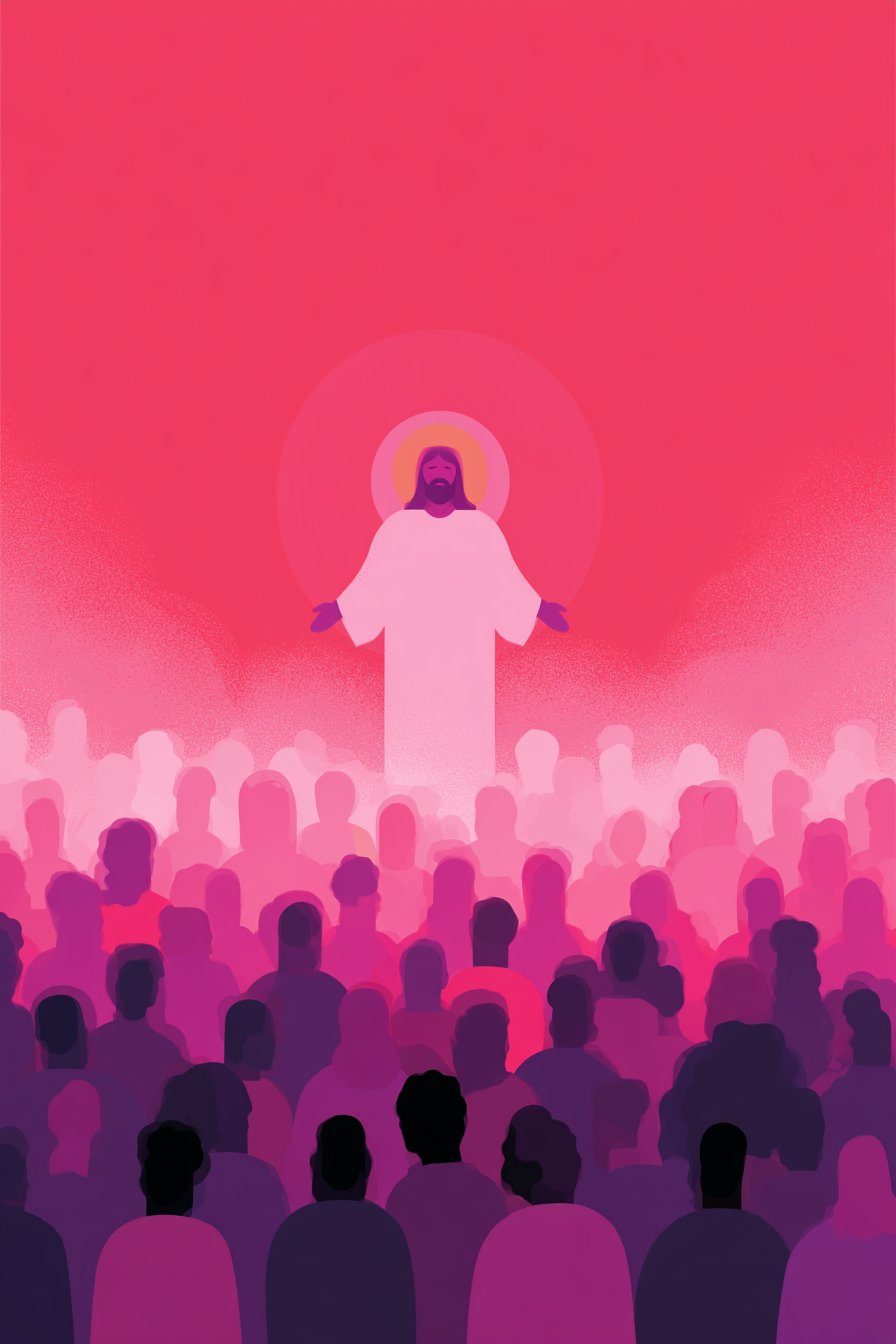
Who they were
Saint Cajetan, also known as Gaetano dei Conti di Thiene, was born in October 1480 in Vicenza, Italy, into a noble family. He was the youngest of three sons to Gaspar, lord of Thiene, and Mary Porta. Growing up in a prominent family during a time of social upheaval in the Veneto region, Cajetan’s early life was infused with privilege and nurtured by an education that would shape his future ambitions.
Eager to expand his knowledge, Cajetan pursued studies at the University of Padua, where he displayed remarkable intellect and dedication, earning a doctorate in civil and canon law by the age of 24. Following his education, he moved to Rome in 1506 to serve as a prothonotary apostolic under Pope Julius II. In this role, he actively contributed to reconciling the Republic of Venice with the papacy, leveraging his legal knowledge and diplomatic skills in a city rife with political tensions.
Despite early success in law and diplomacy, Cajetan felt an undeniable calling to the priesthood, which led to his ordination in 1516. This transition marked the beginning of a life rooted in deep spirituality and a commitment to reforming the Church from within. In 1522, after the passing of his mother, he returned to Vicenza, where he demonstrated profound compassion by founding a hospital for incurables. This act of charity reflected his dedication to those most in need and foreshadowed his future contributions to social welfare.
In 1524, Cajetan co-founded the Congregation of Clerks Regular, commonly known as the Theatines, alongside Giovanni Pietro Carafa, the Bishop of Chieti. The order aimed to bring about clerical reform by merging monastic spirituality with active ministry. They faced intense opposition from both the clergy and laity, who were resistant to change. Notable hardships arose during the sack of Rome in 1527, when Theatines endured significant suffering, including torture at the hands of mutinous soldiers. Nevertheless, Cajetan remained resolute in his mission, establishing houses in several cities, including Venice, Verona, and Naples.
In Naples, he took further steps to alleviate poverty by founding a bank that offered loans to the impoverished, providing an alternative to exploitative usurers. This bank would eventually evolve into the Bank of Naples, showcasing his innovative approach to helping the economically vulnerable.
Cajetan's character was marked by an extraordinary love for God, strict adherence to poverty, and unwavering commitment to charity. He passionately encouraged the frequent reception of Holy Communion, expressing his desire for Christians to approach the Eucharist with eagerness rather than fear. His heartfelt wish was that they would come to the "Bread of Life" joyfully.
Saint Cajetan passed away on August 7, 1547, in Naples, after a life dedicated to serving others and reforming the Church. His legacy was further solidified when he was beatified by Pope Urban VIII in 1629 and canonized by Pope Clement X in 1671. Each year, his feast day is celebrated on August 7, offering many the chance to reflect on his impact.
As the patron saint of Argentina and the unemployed, Cajetan’s patronage is intimately linked to his work in Naples, where he sought to assist the poor and provide ethical alternatives in financial dealings. His legacy includes not only the Theatine order, which significantly impacted the Counter-Reformation, but also shrines dedicated to him, most notably in the Church of San Paolo Maggiore in Naples, which continue to attract pilgrims.
In sacred art, Saint Cajetan is frequently depicted in priestly attire, often holding a missal or the Child Jesus, symbolizing his deep devotion. His life exemplifies profound faith, commitment to reform, and enduring charity, inspiring many in their spiritual journeys today.
Remembered for
St. Cajetan is remembered for co-founding the Theatines, a religious order focused on clergy reform and serving the poor. He established hospitals in Vicenza and Venice to care for the sick, demonstrating his commitment to charity. Additionally, he founded a bank to assist the poor and combat usury, which later evolved into the Banco di Napoli.
August 7 · Optional Memorial
How to recognize them
- BankRepresents St. Cajetan's establishment of a bank to assist the poor.
- HospitalSymbolizes his commitment to caring for the sick.
- Theatines' CrossRepresents the religious order he co-founded focused on clergy reform.
Pray with this saint
Holy Cajetan, you understood the trials faced by the unemployed and job seekers. Intercede for those in need of work, guiding them to opportunities that bring dignity and fulfillment.
For your household
Integrating St. Cajetan into family life can enrich relationships and deepen faith. Families can pray the St. Cajetan Novena together, especially during job transitions, since he is a powerful intercessor for employment. Consider commemorating his feast day on August 7 by reflecting on your family's blessings and sharing success stories about finding work or overcoming challenges.
As a saint who cared for the needy, discuss with children the importance of helping others, encouraging them to volunteer or assist family members facing job hardships. Create a family tradition to pray for job seekers within your community, fostering a spirit of solidarity and empathy.
Consider holding encouraging discussions about work, aspirations, and relying on God for guidance in career paths. Allow children to learn about St. Cajetan's vision of support—balancing work with faith and service to others. Through his patronage, families can learn to trust in God's provision even during challenging times.
Pray as a household
Carry your family in prayer
Solua gives your family a simple, faithful rhythm of prayer — one unhurried moment at a time, for the people you carry by name.
Begin