
Carlos Duarte Costa
Carlos Duarte Costa was a Brazilian bishop known for his dedication to social justice and the poor. He worked tirelessly to promote the teachings of Christ in his community.
- Feast day
- Jul 21
- Known as
- Bishop
- Era
- 20th-century Brazil
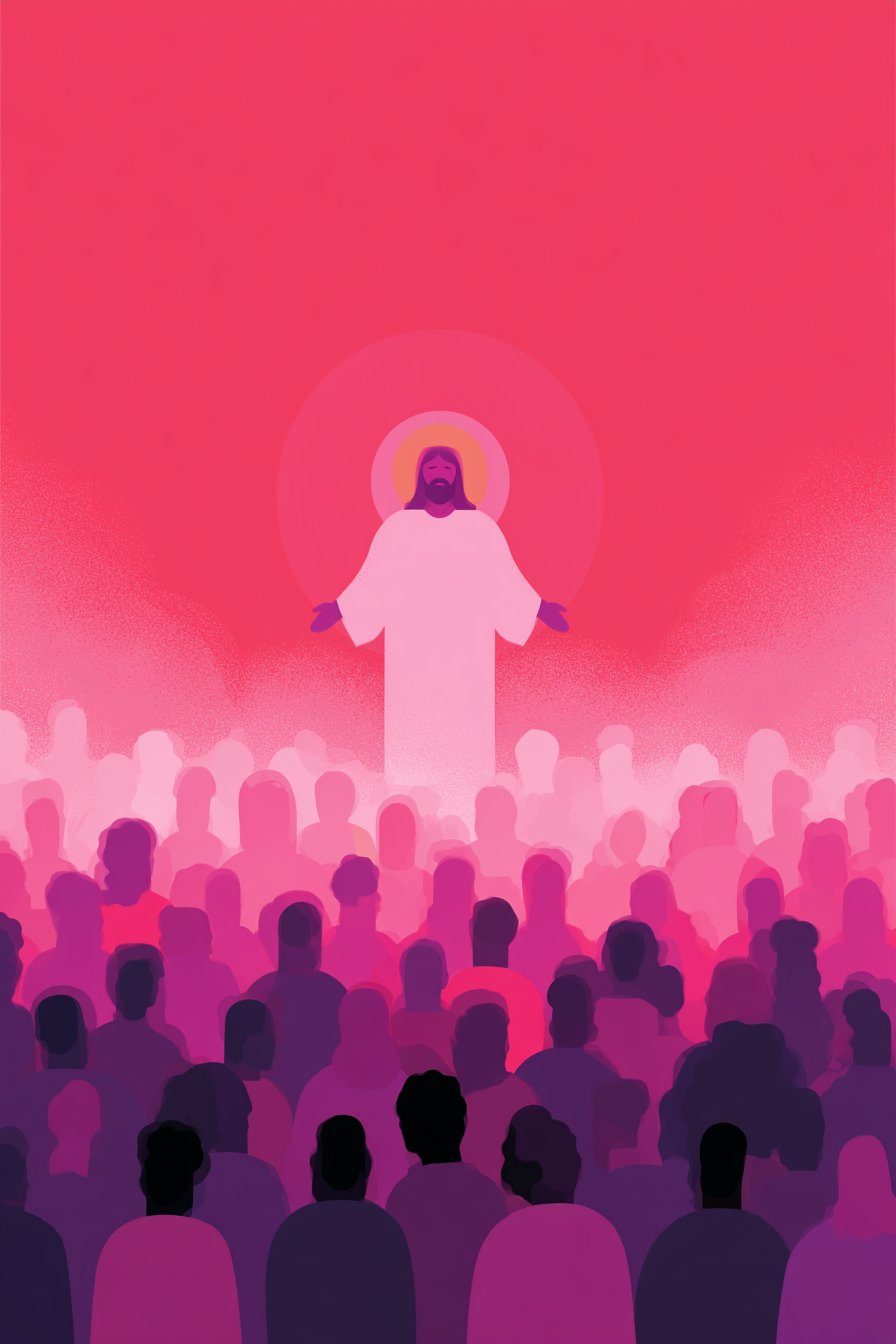
Who they were
Carlos Duarte Costa was born on April 27, 1888, in the city of São Paulo, Brazil. He came from a devout Catholic family that instilled in him deep faith and an appreciation for social commitment. His early education in theology and philosophy laid the groundwork for a lifetime of service to the Church and to the marginalized. After completing his studies, he was ordained a priest in 1914 and began his pastoral work, which was marked by a strong emphasis on social justice.
In 1931, Carlos became the Bishop of Botucatu, a position that allowed him to influence the importance of social issues in Brazil. He actively reached out to the poor and advocated for their rights, emphasizing that the Church must be a voice for the voiceless. His dedication to social justice did not go unnoticed; he became a prominent figure in the Catholic Church, drawing attention for his innovative approaches to pastoral care. Carlos firmly believed in the Church's mission to alleviate poverty and suffering. He often spoke out against social inequality and the injustices that plagued society.
In 1945, he faced significant challenges with the government and Church authorities due to his views and public statements about social issues. Despite opposition, he remained steadfast in his beliefs, calling for the Church to be actively involved in the fight against poverty and corruption. His courage earned him both admiration and criticism, leading to tensions within the hierarchy.
In 1949, Carlos Duarte Costa took a monumental step by founding the Brazilian Catholic Apostolic Church (ICAB), in response to the constraints he faced. This church sought to uphold Catholic doctrines while also addressing social concerns in a more progressive manner. This action alienated him from many traditionalists in the Catholic community but allowed him to continue his mission more freely.
His work was not limited to Brazil; he participated in international forums and traveled extensively to promote social justice, peace, and solidarity among nations. He became an advocate for democracy and human rights, emphasizing the crucial relationship between faith and justice.
As a bishop, Carlos encouraged the laity to take an active role in community service and social movements. He believed that true faith must manifest in action, urging Christians to live their faith in tangible ways. His impact was felt not only in religious circles but also in the broader realm of social activism.
Carlos Duarte Costa passed away on July 7, 1961, but his legacy lives on through the continued work of those he inspired. He is remembered for his unwavering commitment to social justice, his pastoral compassion, and his determination to advocate for the marginalized. The day of his feast, July 21, is a reminder of his call for a Church that serves not just the faithful but also the entire community.
His life is celebrated for its radical dedication to living out the Gospel in practical ways, challenging Christians everywhere to embody their faith in service to others. His holiness wasn't defined solely by his ecclesiastical status but by his profound commitment to the teachings of Christ and the tangible love he showed to the world's most vulnerable.
Remembered for
Carlos Duarte Costa is remembered for his pioneering efforts in social justice and his unwavering commitment to the marginalized in society. As a bishop, he was a vocal advocate for the poor, aiming to embody Christ's teachings within his community through meaningful action.
His deep spirituality translated into various projects focused on improving the lives of those in need, including initiatives for education and health care. Duarte Costa's teachings emphasized the dignity of every person, encouraging his followers to engage actively in social issues as a manifestation of their faith.
Jul 21
How to recognize them
- Bishop's MitreRepresents his role as a shepherd of the Church.
- CrucifixSymbolizes his deep faith in Christ and dedication to His teachings.
- ScalesRepresents justice and the importance of equity for all.
- HeartReflects his love and compassion for the poor and marginalized.
"It is in the process of being a pastor that we find our true identity and vocation to serve, particularly those who are most in need."
Carlos Duarte CostaPray with this saint
Holy Carlos Duarte Costa, inspire us to follow your example of advocating for the poor and upholding justice. Help us to see Christ in everyone we encounter, and guide us in our efforts to serve those in need, embodying faith through action.
For your household
As a family, you can honor St. Carlos Duarte Costa by engaging in acts of charity together, reflecting his dedication to social justice. Consider organizing a monthly service project, whether it’s volunteering at a local shelter or participating in food drives, turning these acts into a family tradition that teaches children the importance of helping others.
On his feast day, July 21, gather as a family for a special prayer or Mass, asking for his intercession in your efforts to serve the poor. Discuss his life with your children, highlighting how he lived out his faith and the difference it made in his community. Encourage conversations about social justice in relation to Catholic teachings, allowing children to explore how they can make a positive impact in their own communities.
Introduce a name-day celebration for any family members named Carlos or similar, treating the day as a mini feast. This could involve preparing a special meal, sharing stories about the saint, or doing an activity that emphasizes community service. Through these practices, children learn that faith is not just a personal journey but also a call to action in the world around them.
Pray as a household
Carry your family in prayer
Solua gives your family a simple, faithful rhythm of prayer — one unhurried moment at a time, for the people you carry by name.
Begin