
Charles Borromeo
Charles Borromeo was an Italian Catholic prelate who played a key role in the Counter-Reformation. His dedication to reforming the Church and promoting education is widely respected.
- Feast day
- Nov 4
- Known as
- Bishop · Religious
- Era
- early-modern
Who they were
Charles Borromeo was born on December 2, 1538, in Arona, Italy, into a noble family of the Borromeo clan. His early life was marked by a strong commitment to his faith, influenced by the piety of his family and the events surrounding the Protestant Reformation. Charles was educated at the University of Pavia, where he earned a doctorate in both civil and canon law. By the age of 22, he had already been appointed as a cardinal by his uncle, Pope Pius IV, showcasing his potential and the high expectations of those around him.
As a cardinal, Charles faced the immense challenge of the Counter-Reformation, a period characterized by efforts to address the numerous issues within the Catholic Church. In 1560, following the Council of Trent, he was appointed the Archbishop of Milan. His resolve to reform the Church and address abuses within the clergy was unwavering, leading him to implement a series of reforms focused on the education of priests and the laity, the establishment of seminaries, and the promotion of pastoral care.
One of his significant achievements as archbishop was the establishment of the Ambrosian College in Milan, which trained seminarians to ensure they were well-prepared for their roles as spiritual leaders. Charles traveled extensively within his archdiocese, often visiting the remote parts of his territory to promote better understanding of the faith among the people. His commitment extended beyond administrative reforms; he practiced an active ministry, often being seen among the sick and poor, especially during outbreaks of the plague.
During his time in Milan, he faced numerous challenges. Notably, Charles worked tirelessly during the plague that struck the region from 1576 to 1578. He organized relief efforts, cared for the afflicted, and invited priests and laypeople to join him in his mission of charity, demonstrating extraordinary leadership during a time of crisis. His personal sacrifices and dedication inspired many and helped bolster the faith of the community.
Charles's devotion wasn't just a matter of practical actions; he was also known for his deep spirituality and commitment to prayer. His approach to his own faith life inspired others and encouraged a revival of piety in his archdiocese. He was known for conducting public penances and promoting the importance of the sacraments, particularly the Eucharist, as a source of strength and grace for the faithful.
His later years were marked by continued efforts in reform and scholarship. He strongly advocated for the implementation of the changes agreed upon during the Council of Trent, ensuring they took root in the practices of the Church. In 1584, following the completion of many of his envisioned reforms, he established the Confraternity of Christian Doctrine, which aimed to educate children in the faith.
Charles Borromeo died on November 3, 1584, after years of tireless service, and was canonized by Pope Pius XI in 1610. His legacy continues today, not only through the seminaries and institutions he founded but also through his example of Christian leadership, charity, and dedication to pastoral care.
His impact on the Church was profound, solidifying his role as a key figure of the Counter-Reformation and endearing him to the faithful as a model of virtue and dedication. He is often invoked as a patron saint of bishops, catechists, and those involved in education, with his feast day celebrated annually on November 4. His life reminds us of the importance of reform, the value of education in the faith, and the transformative power of charity in action.
Remembered for
Remembered for his instrumental role in the Counter-Reformation, Saint Charles Borromeo was a tireless advocate for Church reform and the education of clergy and laity alike. He established seminaries to ensure priests were well-trained and equipped to guide their communities spiritually and morally.
His commitment to pastoral care was evident in his tireless efforts during the plague outbreaks, where he ministered to the sick and dying, exemplifying selflessness and courage. He also promoted the implementation of the Council of Trent's decrees, strengthening the Church against corruption while inspiring fidelity to the Catholic faith through his writings and homilies.
Nov 4
How to recognize them
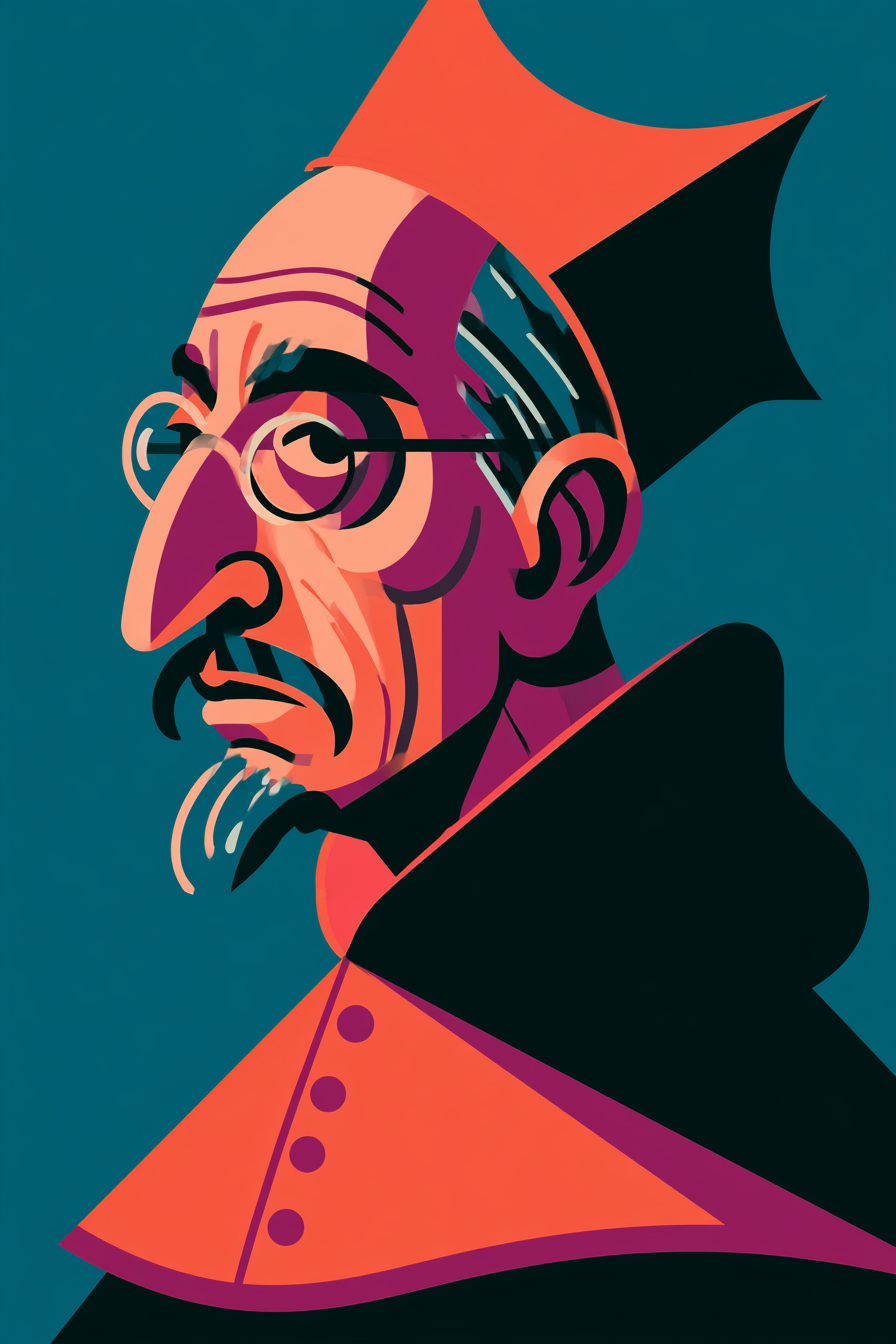
- mitreSymbol of his role as a bishop and leader in the Church
- crozierRepresents his pastoral care and authority over his diocese
- bookSignifies his dedication to education and the promotion of learning
If you wish to be a leader, you must be a servant of all.
St. Charles BorromeoPray with this saint
Holy Charles Borromeo, we ask for your intercession in our efforts to live a life of holiness and service. Guide us to embrace the virtues of faith, charity, and diligence in our daily lives, that we may inspire others and grow closer to Christ. Amen.
For your household
Integrating Saint Charles Borromeo into family life can be a heartwarming experience full of rich traditions and meaningful practices. On his feast day, November 4th, families can gather for a special meal or treat to honor him, perhaps incorporating dishes that celebrate Italian culture in his memory.
Teaching children about his life can inspire them to learn about the importance of education and service to others. Simple discussions about his dedication to reform and care for the sick can encourage children to think about how they can help those in need within their own communities. Families may also consider praying a novena to Saint Charles Borromeo before his feast day, inviting the saint's intercession for any struggles or illness they or their friends may face.
Incorporating a devotion to Saint Charles in personal prayer, families can include his name when asking for help in living a more virtuous life. Creating a small family altar with an image or statue of the saint can serve as a reminder of his example and an invitation for children to come forward with their own hopes and concerns in prayer.
Pray as a household
Carry your family in prayer
Solua gives your family a simple, faithful rhythm of prayer — one unhurried moment at a time, for the people you carry by name.
Begin