
Cuthbert of Canterbury
Cuthbert of Canterbury was an archbishop known for his deep faith and pastoral care. His life encourages families to lead with love and compassion.
- Feast day
- Oct 26
- Known as
- Bishop
- Era
- 7th-century England

Who they were
Cuthbert of Canterbury was born around the year 635 in Northumbria, a region in present-day England. His early life remains somewhat obscure, but accounts suggest that he felt a deep calling to the Christian faith during a visit to a holy site. This initial encounter with God sparked a fervent desire in Cuthbert to dedicate his life to service and ministry, leading him to join the monastic community on the remote island of Lindisfarne, a pivotal center for early Christianity in Britain.
As a monk, Cuthbert was known for his remarkable piety and deep spirituality. He devoted himself to prayer and the study of Scripture, fostering spiritual discipline among his fellow monks. His reputation for holiness and wisdom grew, and he became renowned for his pastoral care, tending not only to the spiritual needs of his monastic community but also reaching out to the surrounding villages. Cuthbert’s compassionate nature and earnest desire to guide others in their faith made him a beloved figure among both clergy and laity.
In 685, Cuthbert was appointed the Bishop of Hexham, a significant act that positioned him as a leader among the faithful. His role as bishop, however, did not lead him away from the simplicity of monastic life. He continued to practice humility, often going out among the people to listen and serve, embodying his understanding of Christ's calling to shepherd the flock. During his tenure, he fostered the spread of Christianity in northern England and worked tirelessly to support the pastoral needs of his diocese.
Cuthbert’s commitment to monastic life was further highlighted by his decision to retreat to the island of Farne, where he sought solitude and deeper communion with God. Cuthbert spent many years in prayer and contemplation there, performing acts of penance and drawing numerous visitors who sought his guidance. His life on Farne became legendary, encapsulating a model of holiness and dedicated service. Accounts often include miraculous elements, such as his ability to heal the sick and cast out demons, which further cemented his reputation as a holy man.
The holy bishop passed away on March 20, 687, and his death was met with great sorrow among his followers. He was buried on Farne, but his legacy did not end there. Soon after, his remains were transferred to Lindisfarne, where they became a focal point for pilgrims seeking his intercession. His shrine became one of the most revered in England, and stories of miracles attributed to him further solidified his status as a saintly figure.
Cuthbert was canonized shortly after his death, becoming the patron saint of Northumbria, and his feast day is celebrated on March 20. However, as the complexities of history unfolded, his impact on the Church and community endured. The writings of Bede, a contemporary hagiographer, preserved accounts of Cuthbert’s life and virtues, showcasing his dedication to God, his pastoral care, and his unwavering faith.
Throughout the centuries, Cuthbert's spirit of compassion and his commitment to living for the good of others have continued to inspire countless Christians. His example as a leader who genuinely cared for his flock serves as a reminder for all families to embody love, faith, and service in their own communities. Cuthbert’s legacy is not only one of a great bishop but also of a man whose life exemplified the Christian virtues of charity, humility, and devotion to God.
Remembered for
Cuthbert of Canterbury is remembered for his extraordinary pastoral care and unwavering faith in God. As the Archbishop of Canterbury, he played a pivotal role in the development of the English Church, guiding many through his teachings and inspiring devotion.
He is particularly noted for his compassionate leadership during times of change and uncertainty. His life exemplified the virtues of humility, charity, and dedication to prayer, making him a model for all Christian families seeking holiness in their daily lives.
Cuthbert’s intercession is sought by many, especially in times of distress or sickness. His deep connection to God and earnest spirit in serving others continue to inspire believers to embrace love and compassion in their own lives.
Oct 26
Patron of
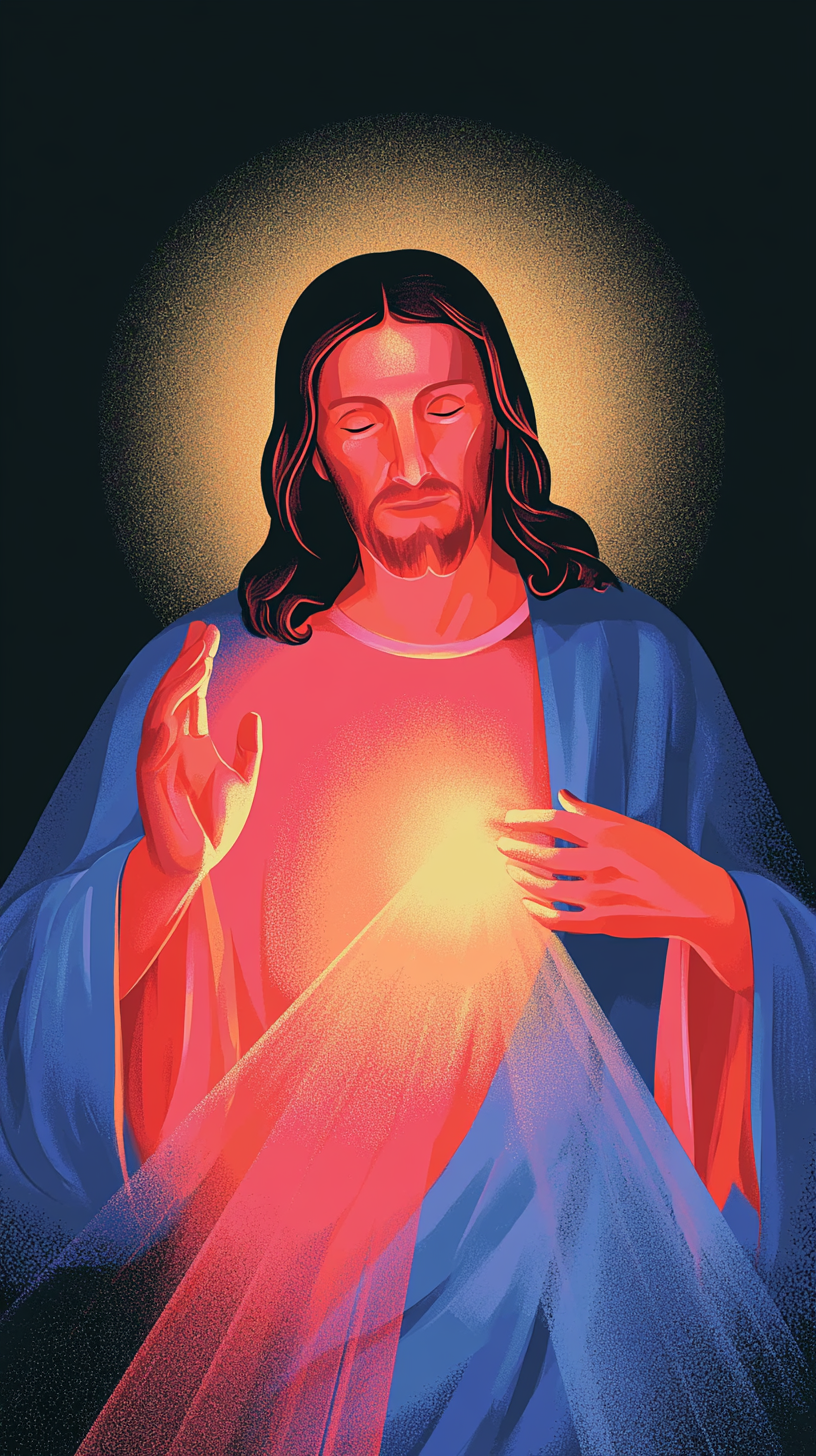
How to recognize them
- Bishop's crozierRepresents his role as a shepherd of his flock.
- BookSignifies his dedication to Scripture and teachings.
- StoleA symbol of his priestly dignity and service to God.
- Celtic crossReflects his connections with the Celtic Christian tradition.
- FishSymbol of his role in guiding others to faith.
"I have loved the name of Jesus, and I have known how to pray for the souls of those who are in need of His mercy."
St. Cuthbert, as noted in historical accounts of his lifePray with this saint
Holy Cuthbert, guide us in our daily lives to embody love and compassion as you did. Help our family to grow in faith and nurture one another with kindness, and intercede for us in our times of need.
For your household
For your household, the life of Saint Cuthbert can be a source of inspiration and a guide for living out your faith together. Consider celebrating his feast day on October 26 by attending Mass as a family, praying a special novena, or simply sharing stories about his life and the virtues he exemplified. Discuss his deep compassion and what it means to live with a heart for others, emphasizing the importance of looking out for those in need.
Incorporating prayers to Saint Cuthbert into your family routine can foster a greater awareness of his teachings. Encourage children to talk to him about their struggles or concerns, reinforcing the idea that they have a loving intercessor in heaven. You might also choose a family project that embodies charitable acts, reflecting Cuthbert’s commitment to caring for the community.
Consider choosing the name Cuthbert for a new child or adopting it as a family name in honor of his virtues, creating a special tradition around name days when you celebrate and reflect on the saint’s impact on your lives. This can be an opportunity for the family to gather, pray together, and reinforce the values that Saint Cuthbert stands for, such as empathy, charity, and commitment to faith.
Pray as a household
Carry your family in prayer
Solua gives your family a simple, faithful rhythm of prayer — one unhurried moment at a time, for the people you carry by name.
Begin