
St Cyril of Jerusalem
St. Cyril of Jerusalem, a key theologian and bishop, is renowned for his catechetical teachings and defense of the faith.
- Feast day
- March 18 · Optional Memorial
- Known as
- Bishop · Priest · Doctor
- Era
- 4th-century Roman Empire
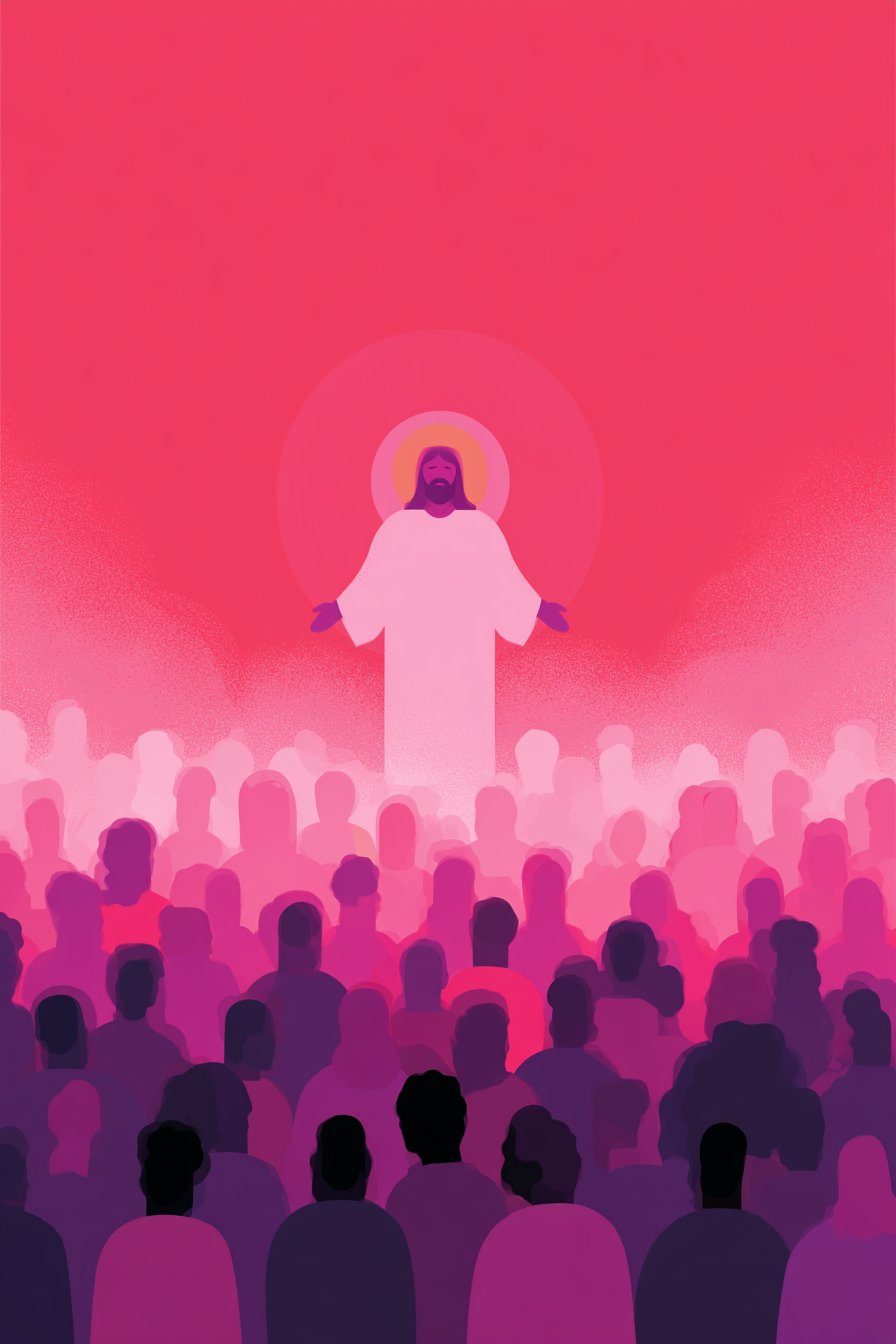
Who they were
Saint Cyril of Jerusalem, born around 313 in or near Jerusalem, grew up in a city that had recently emerged as a significant center for Christian pilgrimage and worship. Although little is known about his early family background, it is clear that his formative years were steeped in the rich theological traditions of the early Church. He received an education that combined Christian Scriptures with Greek philosophy, allowing him to engage deeply in the theological debates that would shape his future.
Cyril’s commitment to the faith was evident early on in his ministry. He was ordained a deacon by Bishop Macarius of Jerusalem around 335 and later ascended to the priesthood under Bishop Maximus. His dedication and theological insight eventually led to his appointment as Bishop of Jerusalem around 350. As bishop, he became renowned for his catechetical lectures, aimed at instructing catechumens in the Christian faith. These lectures were instrumental in fostering a deeper understanding of the Church’s doctrines, particularly during a time marked by the rise of Arianism, a heresy that questioned the divinity of Christ.
Cyril's tenure as bishop was not without its challenges. Around 357, he faced exile due to political and theological conflicts, primarily with Arian bishops like Acacius of Caesarea. This exile was a significant trial for Cyril, yet he remained steadfast in his commitment to the orthodox faith. His return to Jerusalem in 361 came with the death of Emperor Constantius II, who had favored Arianism.
Despite his return, Cyril's troubles were far from over. He was exiled once again under the rule of Emperor Valens in 367, a period that tested both his resolve and pastoral care. Nevertheless, he returned to Jerusalem following Valens' death in 378. His experiences during these tumultuous times strengthened his understanding of Church leadership and further solidified his reputation as a defender of the Nicene Creed. In 381, Cyril participated in the Second Ecumenical Council, which reaffirmed the Nicene faith.
Cyril's life and work were characterized by his unwavering defense of orthodoxy, as noted by contemporaries like Epiphanius, Jerome, and Rufinus. His theological mastery, pastoral care, and commitment to educating others were vital components of his character. He urged his followers to “Make your fold with the sheep; flee from the wolves: depart not from the Church,” emphasizing the importance of community and steadfastness in faith.
Cyril of Jerusalem passed away peacefully on March 18, 386, in his beloved city. There is no evidence to suggest that he faced martyrdom; rather, he concluded his life after a profound contribution to the Church. In recognition of his pivotal role in developing early Christian theology, Pope Leo XIII declared him a Doctor of the Church in 1883. His feast day is celebrated on March 18 in the General Roman Calendar, a tribute to his enduring influence.
Saint Cyril’s legacy endures through his catechetical lectures, which continue to serve as vital resources for understanding early Christian theology and liturgy. Although he is not officially recognized as a patron saint of a specific group, his work in religious education and liturgical studies resonates with many today. Saint Cyril’s life exemplifies the virtues of perseverance, theological rigor, and unwavering faith, making him a revered figure in the history of the Church.
Remembered for
St. Cyril is remembered for his influential catechetical lectures, which were vital in teaching the faith to newcomers and defending it against false doctrines. His insights on the nature of God and the sacraments greatly shaped Christian understanding and practice in the early Church. His written works continue to guide believers today, making him a pivotal figure in Christian catechesis.
March 18 · Optional Memorial
How to recognize them
- Shepherd's staffRepresents his role as a bishop and spiritual guide.
- ScrollSymbolizes his writings and teachings on the faith.
- LambReflects his pastoral care for the faithful and catechists.
"Make your fold with the sheep; flee from the wolves: depart not from the Church."
St. Cyril of JerusalemPray with this saint
Holy St. Cyril, guide us in our understanding of the faith and help us to teach others with clarity and love. May your example inspire us to defend our beliefs with courage and conviction.
For your household
Families can integrate St. Cyril of Jerusalem into daily life by engaging in discussions about the catechism and the importance of faith education. Celebrating his feast day can involve special prayers or reflections on his teachings. Parents can share stories of St. Cyril's life and his commitment to the Church, inspiring children to value their faith. Family prayer, invoking St. Cyril's intercession, may guide children's spiritual growth and understanding of the sacraments.
Pray as a household
Carry your family in prayer
Solua gives your family a simple, faithful rhythm of prayer — one unhurried moment at a time, for the people you carry by name.
Begin