
Gelasius II
Gelasius II served as pope from 1118 to 1119 and is remembered for his efforts to maintain unity within the Church. His leadership was marked by a commitment to truth and justice.
- Feast day
- Jan 29
- Known as
- Pope
- Era
- Early 12th-century Vatican
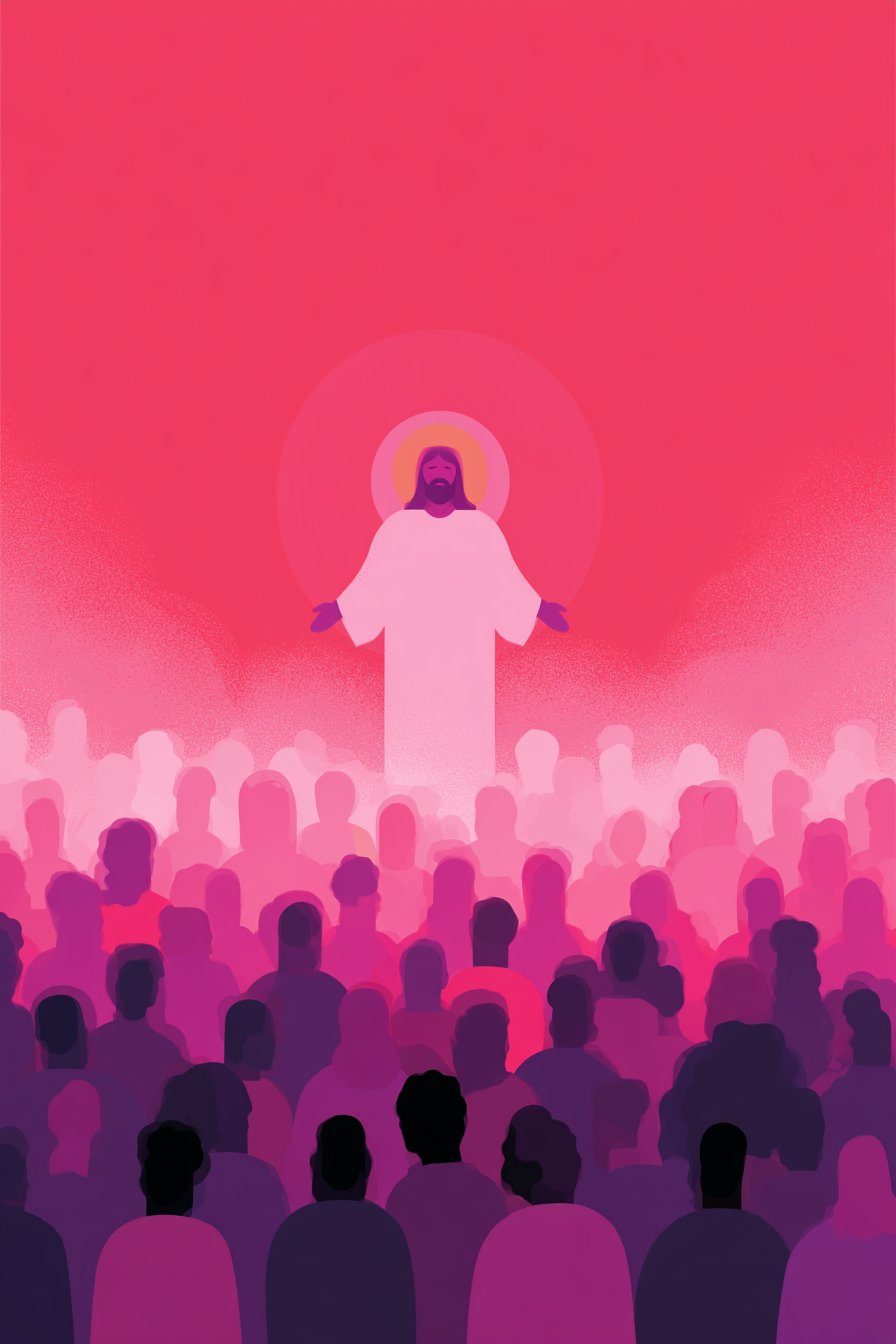
Who they were
Pope Gelasius II, born Giovanni di Gaeta around 1060, rose to prominence in the Church during a time of considerable turmoil within both the ecclesiastical and secular realms. He became a cardinal and later the pope in 1118. His papacy, albeit brief, was marked by significant challenges, particularly the ongoing contest for power between the papacy and the Holy Roman Empire, indicative of the broader struggles faced by the Church during the Investiture Controversy.
Gelasius II was elected during a turbulent period. The election itself was fraught with contention, as factions within Rome were at odds, reflecting the political instability of the times. He was crowned pope amidst a divided Roman populace, an indication of the challenges he would face in unifying the Church. Gelasius II emphasized the importance of maintaining ecclesiastical authority free from secular interference, a theme that would recur in his teachings and actions.
One of his key actions was addressing the question of the appointment of bishops. Gelasius II sought to reaffirm the Church's authority in these matters, which often led to clashes with secular rulers who sought to exert control over church appointments. He wrote a letter to the emperor conveying the necessity of respecting the Church's independence in spiritual matters, framing it as essential for the unity and integrity of Christ's followers.
In 1119, conflicts escalated, and Gelasius II found himself having to flee Rome due to rival factions favoring other candidates for the papacy. This exile was not merely a physical displacement but also a reflection of the deeper spiritual conundrum his papacy faced: the challenge of asserting the Church's spiritual sovereignty in a heavily politicized landscape.
During his exile, Gelasius II remained committed to his vision of a unified Church. He continued to issue decrees and letters, attempting to instruct his faithful and to bolster their resolve amidst the difficulties. His leadership was characterized by a staunch dedication to truth and justice, principles he believed were vital for the health of the Church.
Despite the brief duration of his pontificate, Gelasius II's legacy persisted through his emphasis on the need for unity and discipline within the Church. He died in 1119, either in a small town in Italy or just after returning to Rome, depending on historical accounts. His struggle against secular encroachment on ecclesiastical matters marked a pivotal moment in the evolving relationship between the papacy and political powers.
Gelasius II is often remembered in the context of his successors who furthered his commitment to Church autonomy. He serves as a reminder of the continuous need for courage and clarity in the face of division, a guiding principle for the Church that is still relevant today. His feast day on January 29 offers an opportunity for reflection on the virtues of leadership, justice, and unity, which are essential to the Christian vocation and the life of the Church.
Remembered for
Gelasius II is remembered for his strong commitment to maintaining the unity of the Church during a turbulent time. His papacy, though brief, was marked by efforts to promote justice and truth in Church governance, resisting external pressures and influence.
He played a significant role in addressing the conflicts between the Church and political leaders, often advocating for the rights and freedoms of the Church. This dedication to truth made him a revered figure for those seeking guidance and protection in times of strife.
Jan 29
How to recognize them
- CrosierRepresents his role as a shepherd of the Church.
- Papal tiaraSymbolizes his authority as pope.
- ScrollSignifies his commitment to the truth and teaching of the faith.
Pray with this saint
Holy Gelasius II, guide us in our pursuit of truth and justice. Help us to uphold the unity of our Church and to seek your intercession in times of challenge. May your example inspire our family to live in harmony and faith.
For your household
Integrating Saint Gelasius II into your family's life can be a meaningful experience, especially on his feast day, January 29th. You might begin by creating a family altar with images or representations of the saint and lighting a candle in his honor. Use this time for prayer, asking for his intercession in maintaining unity and truth within your family and community.
Encourage conversations with your children about the importance of justice and truth in their lives, sharing stories of how Gelasius II stood firm in his beliefs despite challenges. You might also select this day to discuss current events, exploring how your family can promote peace and justice in your everyday interactions.
Consider observing name-day celebrations if anyone in your family is named Gelasius. This could include a special meal, sharing memories, or even a small gift that symbolizes your family's commitment to the values of this saint. In times of family disagreement or challenges, recall the example of Gelasius II and pray together, asking for his guidance and support during those moments.
Pray as a household
Carry your family in prayer
Solua gives your family a simple, faithful rhythm of prayer — one unhurried moment at a time, for the people you carry by name.
Begin