
Hildegard of Bingen
Hildegard of Bingen was a remarkable German abbess, mystic, and polymath known for her visionary writings and contributions to music, medicine, and theology. Her life exemplified a deep connection with God and creativity.
- Feast day
- Sep 17
- Known as
- Mystic · Religious
- Era
- medieval

Who they were
Hildegard of Bingen was born in 1098 in Bermersheim, Germany, to a noble family. From an early age, she displayed extraordinary spiritual gifts and intellectual prowess. At the age of eight, her parents dedicated her to the church, and she was placed under the guidance of Jutta von Sponheim at the Benedictine monastery of Disibodenberg. There, Hildegard began her education, immersing herself in the liturgical texts, music, and the natural sciences, deeply nurturing her spiritual and intellectual life.
As she matured, Hildegard began to experience vivid visions, which she described as divine revelations. These inspired her to write extensively, starting with "Scivias," a work detailing her mystical experiences and the theological insights she gained from them. This endeavor faced skepticism initially, but her status as a visionary and her compelling writings eventually garnered the attention of the Church and broader religious community. Her ability to interpret visions and articulate complex religious doctrines established her as an influential figure in medieval Christianity.
In 1136, Hildegard became abbess of her own convent at Rupertsberg, near Bingen, which she founded after leaving Disibodenberg. Under her leadership, the community flourished, emphasizing both spiritual and intellectual growth. Hildegard was not only a religious leader but also a prolific composer, creating a style of music that blended sacred texts with melodious compositions. Her musical works, such as "Symphonia armoniae celestium revelationum," reflect her profound spirituality and creativity.
Aside from her musical contributions, Hildegard's insight into herbal medicine and the natural world was groundbreaking for her time. She wrote "Physica," a comprehensive work on natural history and healing, which discussed various plants, animals, and minerals, emphasizing their medicinal properties. Hildegard believed in the interconnectedness of body, mind, and spirit, a perspective that resonates with contemporary holistic approaches to health.
Throughout her life, Hildegard faced challenges, including opposition from local authorities and theological controversies. Nevertheless, she remained steadfast in her beliefs and her mission to share her experiences with the world. Her letters, addressed to kings, popes, and theologians, reflected her boldness and commitment to her vision.
Hildegard's later years were marked by her extensive travels across Germany, preaching, advising, and holding audiences with secular and religious leaders. She sought to promote reform within the Church and called for a return to the purity of the Gospel. Her influence extended beyond her immediate community, inspiring countless individuals through her teachings and writings.
Hildegard passed away on September 17, 1179, leaving behind a rich legacy of spirituality, music, and health. Her contributions to theology, liturgy, and the sciences were recognized posthumously, and she was canonized by Pope Benedict XVI in 2012, later declared a Doctor of the Church for her significant impact on Christian thought and spirituality.
Today, Hildegard of Bingen is celebrated as a visionary saint whose life and work continue to inspire. She stands as a testament to the profound connection between faith, creativity, and the understanding of God in the world. Her timeless writings and musical compositions remain influential in both religious and artistic contexts, showcasing her unique approach to blending spirituality with the richness of life.
Remembered for
Remembered for her extraordinary contributions to music, medicine, and mysticism, Saint Hildegard of Bingen is often celebrated as a visionary who experienced profound insights directly from God. She composed liturgical music, including her well-known work "Symphonia armoniae celestium revelationum," which remains influential in the sacred music tradition.
In addition to her musical achievements, Hildegard wrote extensively on natural history, medicine, and theology. Her texts, such as "Scivias," reveal her deep contemplative life and an understanding of creation that highlights the interconnectedness of all things. Throughout her life, she encouraged others to embrace their spiritual paths, making her a guiding light for many seeking a deeper relationship with God.
Sep 17
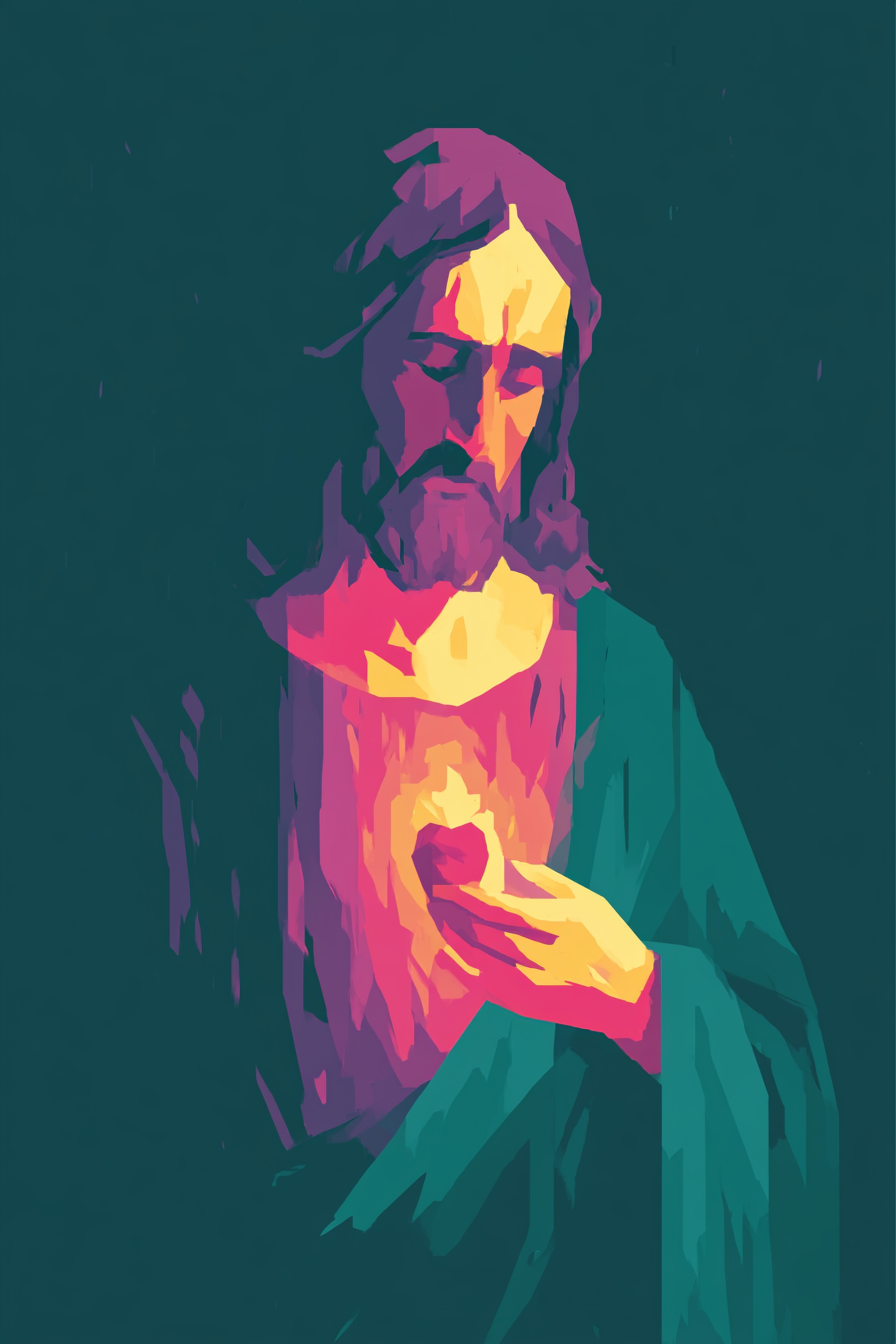
How to recognize them
- Feather QuillRepresents her role as a writer and creator of music and texts.
- Herbal PlantsSymbolizes her knowledge of medicinal herbs and natural healing.
- Crown of FlowersReflects her deep connection to nature and creation.
- BookSignifies her extensive theological and philosophical writings.
- Bishop's StaffRepresents her authority as an abbess and spiritual leader.
The soul is like a bird, it flies with a joyful heart, singing to the Creator with delight.
Hildegard of BingenPray with this saint
Holy Hildegard, inspire us with your wisdom and creativity. Help us to discern God’s will in our lives and to share our gifts for the glory of His creation. Intercede for us in our struggles and guide us in our journey toward holiness.
For your household
Celebrating St. Hildegard of Bingen in your household can offer a beautiful opportunity for prayer and education. On her feast day, September 17th, gather your family for a special meal that includes herbs and natural foods, echoing her teachings on the healing properties of creation. Incorporate her music by listening to or singing her compositions, which foster a spirit of reverence and joy.
As a family, explore her writings together, discussing her beliefs and visions. Use her remarkable life as an example to inspire creativity in your children—invite them to express themselves through art or music, just as she did. You might choose to light a candle each time you pray to her, creating a visible reminder of her light in our lives.
In times of suffering, turn to her intercessions, asking for her guidance in healing and discernment. Teach your children about her unique contributions not just to the Church, but to the world, helping them understand that everyone has a special role to play. Celebrating her name day can become a cherished family tradition, reinforcing the lessons of faith and creativity she embodies.
Pray as a household
Carry your family in prayer
Solua gives your family a simple, faithful rhythm of prayer — one unhurried moment at a time, for the people you carry by name.
Begin