
St John of Damascus
St. John of Damascus was a revered monk and theologian known for defending sacred images during a time of great tension in the Church.
- Feast day
- December 4 · Memorial
- Known as
- Priest · Monk · Doctor
- Era
- 8th-century Islamic Rule
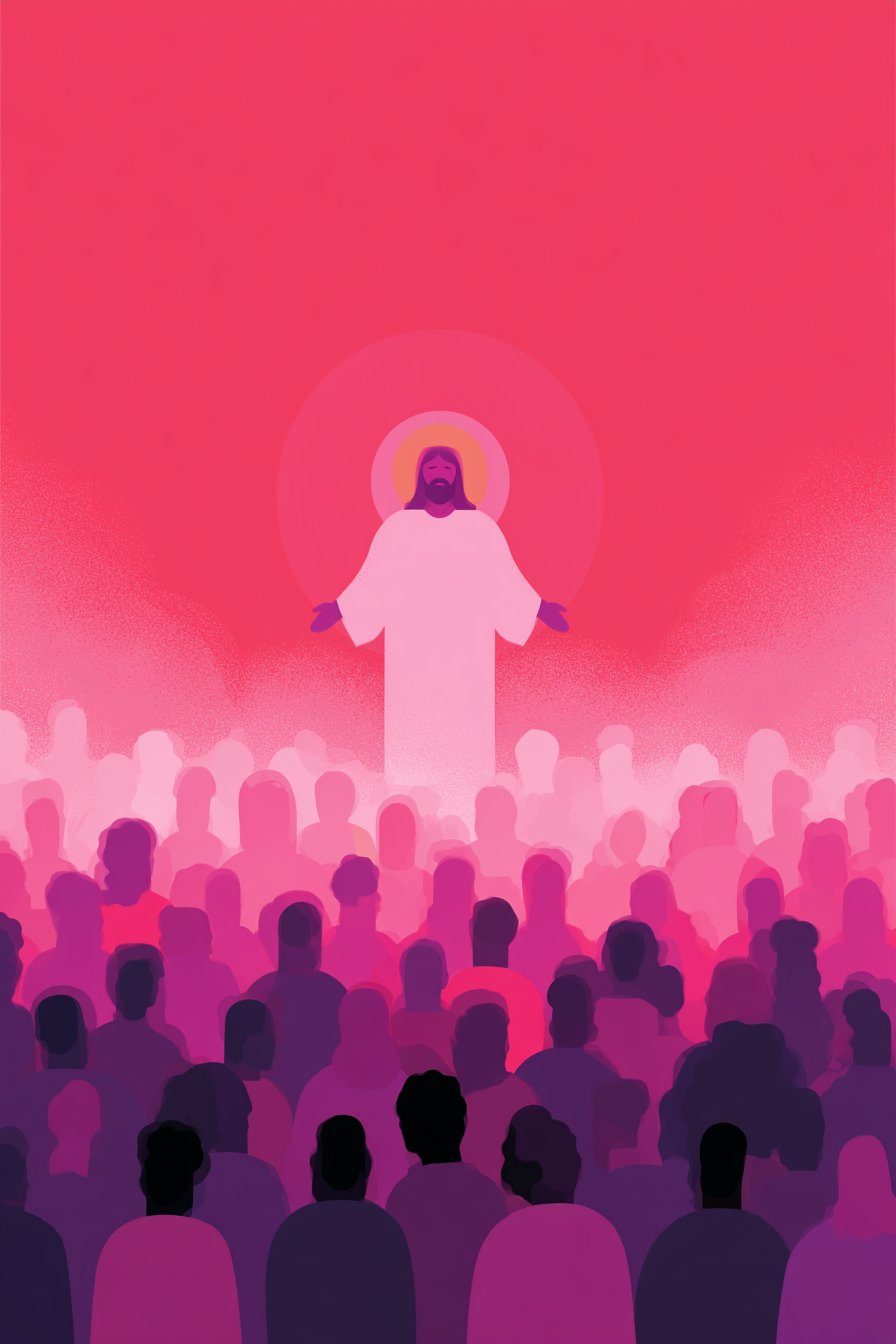
Who they were
St. John of Damascus, also known as Yūḥana ibn Manṣūr ibn Sarjūn, was born around 675 AD in Damascus, part of the Umayyad Caliphate. He hailed from a Christian family of Arab origin; his father, Sergius Mansur, served as a treasurer in the court of the Caliph, which allowed John to grow up in an environment where he could practice Christianity openly. His family’s standing provided him with a thorough education, where he immersed himself in subjects such as astronomy, mathematics, and classical Greek and Arabic texts.
Initially, John entered civil service under the Caliph, a position that placed him in a position of influence and trust. However, as the flames of spiritual longing kindled within him, he chose to leave his official duties behind to embrace a life of monasticism. He became a monk at the Monastery of Mar Saba near Jerusalem, dedicating himself to a life filled with prayer, fasting, and profound theological study. His transition from the secular to the sacred marked the beginning of a remarkable spiritual journey.
John's significant contributions to Christian theology came during the Iconoclastic Controversy, which spanned from 717 to 741 AD. During this tumultuous period, Emperor Leo III issued an edict forbidding the use of religious images, which challenged the long-standing tradition of honoring icons in the Church. In response, John composed three pivotal treatises titled "Against Those who Revile the Holy Icons," eloquently defending the veneration of icons. His writings served not just as a personal defense but laid the groundwork for the Church's orthodoxy on this important issue.
Although he passed away in 749 AD, John's legacy resonated powerfully in subsequent Church decisions, most notably at the Second Council of Nicaea in 787 AD, which reaffirmed the veneration of icons. His theological insights influenced this restoration, showcasing the enduring impact he had on the Church’s teachings, long after his earthly departure.
Respected for his deep piety and intellectual brilliance, John was a beloved figure among his contemporaries, who often sought his wisdom on complex theological matters. His dedication to the Church and ascetic lifestyle exemplified virtues of humility and profound faith, drawing others to the richness of his spiritual insights.
While historical details of John's personal sufferings remain scarce, his writings reflect a life committed to asceticism amidst the challenges posed by the Islamic Caliphate. His strong stands against iconoclasm were not without personal cost, as he faced opposition for his beliefs and his defense of the faith.
John of Damascus died peacefully at the Monastery of Mar Saba on December 4, 749 AD. His death appears to have been due to natural causes, without the account of martyrdom often attributed to saints. His character and contributions were immortalized in the hearts of the faithful, ultimately leading to his recognition as a Doctor of the Church by Pope Leo XIII in 1890.
The legacy of St. John extends far beyond his lifetime. He is honored as the patron saint of pharmacists, iconographers, and theology students, a reflection of his extensive theological writings and his staunch defense of the veneration of icons. Although there are no major shrines dedicated to him, his feast day is celebrated on December 4 in both the General Roman Calendar and the Byzantine Rite, marking a day of remembrance and reverence in Christian traditions.
In sacred art, John is often depicted holding a scroll or book, representing his theological contributions, and may be shown with a severed hand—a legend suggesting punishment for his defense of icons, though this account lacks historical verification. Nevertheless, John's life serves as a testament to the power of faith and the importance of standing firm in one's beliefs amidst trials. His writings continue to be studied and celebrated, ensuring that his wisdom and piety guide future generations in their journey of faith.
Remembered for
St. John of Damascus is remembered for his theological writings and hymns, particularly his defense of the veneration of icons during the iconoclastic controversies of the 8th century. He articulated the importance of sacred art in worship and contributed significantly to the development of Christian doctrine. He is also honored as a Doctor of the Church for his profound theological insights and influence.
December 4 · Memorial
How to recognize them
- BookRepresents his theological writings and teachings.
- CandleSymbolizes the light of faith and knowledge he shared.
- IconReflects his defense of sacred art and icons in worship.
"The whole earth is a living icon of the face of God."
St. John of DamascusPray with this saint
Holy John of Damascus, guide us in our faith and help us to see the divine in the beauty of creation. Intercede for us, that we may always honor sacred art and deepen our understanding of God’s presence in our lives.
For your household
Integrating the life of St. John of Damascus into your family's spiritual practice can be enriching and inspiring. Families can pray together on his feast day, December 4, perhaps lighting a candle in his honor and discussing the significance of holy images in their faith. Encouraging children to draw or create their own sacred art could spark meaningful conversations about the beauty of creation and the role of artists in the Church. Consider reading stories of his life, emphasizing his commitment to faith amidst challenge, and discussing how families today can defend their beliefs just as he did.
Honor his memory by fostering a home environment where discussions about art, faith, and theology can flourish. Create a family tradition of visiting local churches to view sacred art, encouraging an appreciation for the beauty and efforts of those who create images that inspire devotion. Also, designate a space for a family altar where sacred images are displayed, prompting reverence and regular prayer. This connection to St. John can help the family grow in love for both their faith and artistic expression.
Pray as a household
Carry your family in prayer
Solua gives your family a simple, faithful rhythm of prayer — one unhurried moment at a time, for the people you carry by name.
Begin