
John the Good
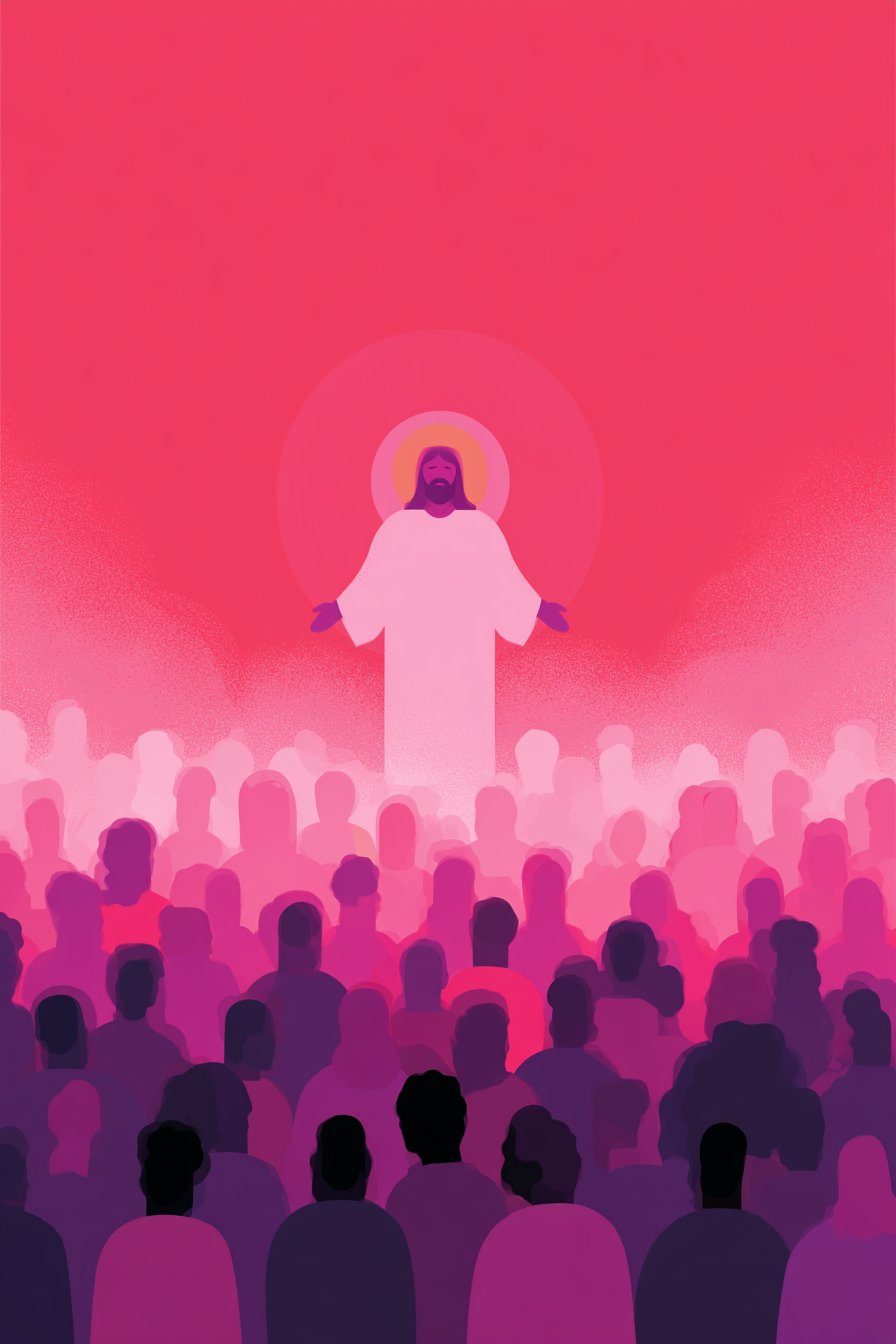
St. John the Good was the Archbishop of Milan, known for his compassion and dedication to the poor. His life was a testament to the importance of charity and community support.
- Feast day
- Jan 10
- Known as
- Bishop
- Era
- 5th-century Northern Italy
Who they were
St. John the Good, also known as John of Milan, served as the Archbishop of Milan during the late 7th century. Born into a modest family, he quickly gained a reputation for his piety and integrity. From a young age, John felt a deep call to serve God and the people, which was evident through his charitable actions. His strong commitment to the faith led him to pursue a life of reverence and dedication to the Church.
After entering the clergy, John was elected bishop during a challenging time for the city and its inhabitants. Milan was recovering from external threats and internal strife, making his leadership crucial. As Archbishop, he wasn’t just a figure of authority; he was a shepherd to his people, often seen in the streets, tending to the needs of the sick, the poor, and those who were marginalized. His compassion became legendary, and he was known for opening the doors of his archbishopric to provide shelter and sustenance to those in need.
One of the defining features of John's ministry was his commitment to social justice. He worked tirelessly to alleviate the suffering of the less fortunate. He organized collections for the poor and personally distributed food and resources. His ability to mobilize the community for acts of charity inspired others to follow his example, and he instilled in them a sense of responsibility toward their fellow citizens.
Despite his kindness and goodwill, John faced resistance during his tenure. Those in power sometimes opposed his efforts, viewing his social reforms as threats to the status quo. However, John's unwavering spirit and dedication to Christ strengthened him against adversity. He relied on prayer and the moral support of his closest allies, which allowed him to persist in his mission of serving the needy.
St. John the Good also contributed to the spiritual life of his diocese. He encouraged a deeper involvement in the sacraments, emphasizing the importance of community worship. He introduced various initiatives aimed at enhancing the spiritual education of the laity, believing that a well-formed faithful could have a transformative impact on society.
His dedication and good works took their toll on his health, but he continued to labor fervently until the end of his life. St. John's last days were marked by suffering, yet he bore his pain with grace, often reflecting on the sufferings of Christ. He passed away on January 10, and immediately, the people he had served were heartbroken. His funeral was attended by thousands, illustrating the profound impact he had on their lives.
After his death, stories and miracles attributed to him began to circulate, solidifying his legacy as a saint. His commitment to charity and community support made him a model of Christian virtue. St. John the Good was canonized shortly after his death, and his feast day offers a reminder to Christians, particularly in Milan, of the call to embody compassion and charity in their lives. His life continues to inspire many, serving as a heavenly intercessor for those who embody his virtues in their own communities.
Remembered for
St. John the Good is remembered for his deep compassion and tireless efforts to aid the poor and marginalized during his time as Archbishop of Milan.
His commitment to charity was evident in the numerous initiatives he established to support those in need, reflecting his belief that true faith must manifest in acts of love and service to the community.
Known for his gentle demeanor, he encouraged his flock to embrace charitable works, thus creating a legacy of generosity that inspired many to follow his example, highlighting the importance of kindness in every aspect of life.
Jan 10
How to recognize them
- CrossRepresents St. John’s role as a shepherd of the Church.
- BreadSymbolizes his commitment to helping the poor and feeding the hungry.
- Bishop's mitreIndicates his position as Archbishop of Milan.
- CloakSignifies his humble service and care for those in need.
- HeartRepresents his compassion and love for the suffering.
Pray with this saint
Holy John the Good, intercede for us that we may embody the spirit of charity and compassion you exemplified. Help us to serve the poor and to see Christ in every person we encounter. Guide our families in fostering a culture of generosity and love.
For your household
Incorporating St. John the Good into your family's life can be a beautiful way to promote charity and service. On his feast day, January 10th, consider setting aside time to discuss his life and virtues with your children. Share stories of his compassion toward the needy and inspire your family to engage in acts of service together, such as volunteering at a local shelter or organizing a food drive.
You can create a special family tradition by praying for the poor and marginalized every day, asking St. John the Good to intercede for them. Encourage discussions around the dinner table about ways to help those in need, allowing your children to brainstorm ideas and understand the importance of giving back to the community.
Celebrating his name day can also include sharing your family's commitment to charity, perhaps by adopting a cause that resonates with everyone and making a collective effort to support it each year. St. John the Good's example can inspire your household to make kindness a daily practice, fostering a spirit of generosity that reflects Christ's love.
Pray as a household
Carry your family in prayer
Solua gives your family a simple, faithful rhythm of prayer — one unhurried moment at a time, for the people you carry by name.
Begin