
St Juan Diego
St. Juan Diego, a humble Nahua peasant, experienced the miraculous apparitions of Our Lady of Guadalupe in 1531.
- Feast day
- December 9 · Optional Memorial
- Known as
- Layperson
- Era
- 16th-century Mexico
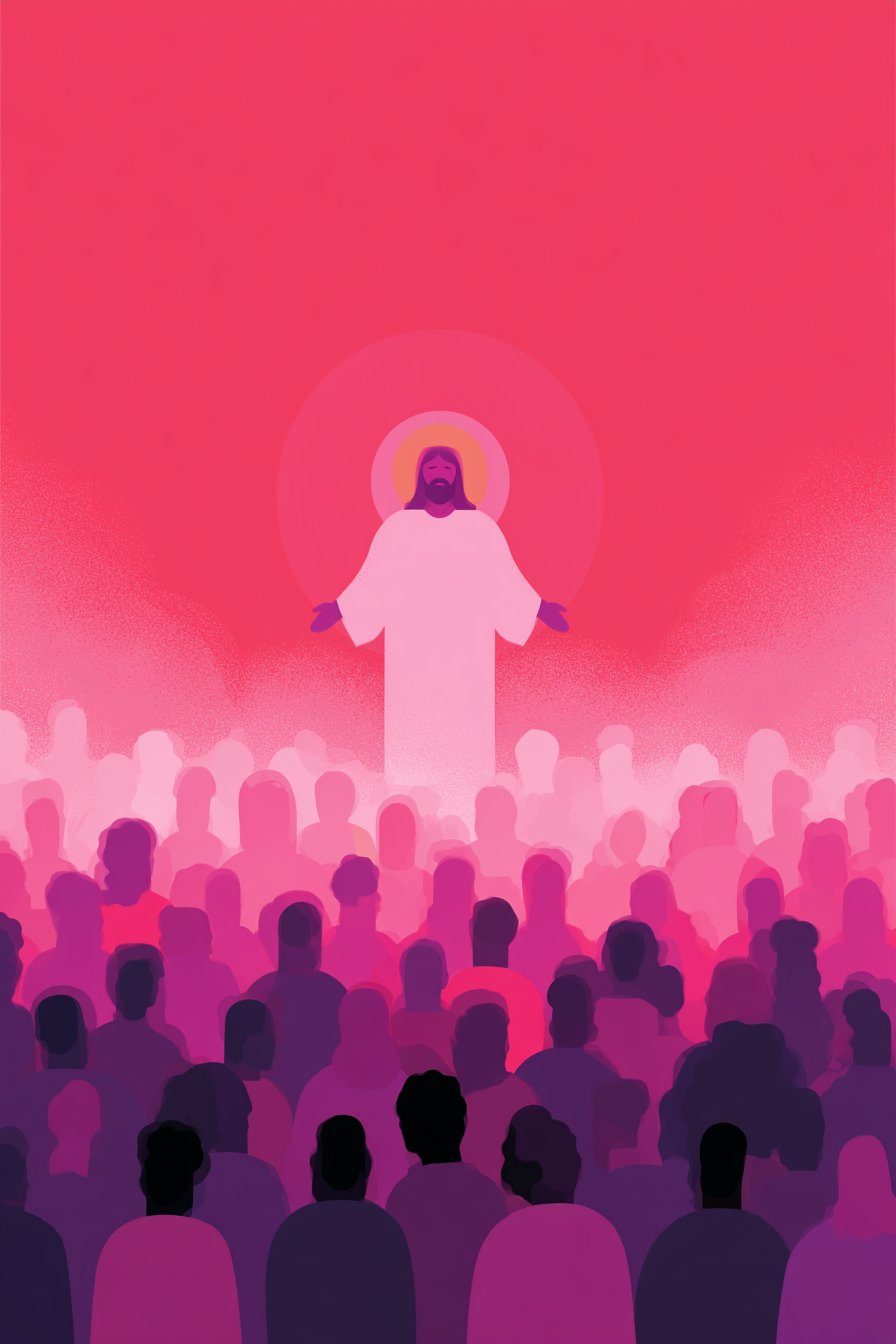
Who they were
Saint Juan Diego Cuauhtlatoatzin was born in 1474 in Cuauhtitlán, a region within the Aztec Empire, with the name meaning "the talking eagle." Following the early death of his father, Juan Diego was raised by his uncle, Juan Bernardino. Although initially brought up in the Aztec pagan faith, Juan Diego exhibited a deep spiritual disposition from a young age. His life took a pivotal turn in 1524, when he and his wife, María Lucía, converted to Catholicism after the arrival of Franciscan missionaries. Adopted into the faith, they received new Christian names, and Juan Diego was eager to learn about his newfound beliefs, traveling long distances to attend religious instruction at the Franciscan mission in Tlatelolco.
On December 9, 1531, as he made his way to Mass, Juan Diego encountered a radiant lady on Tepeyac Hill. She identified herself as the "ever-perfect holy Mary, who has the honor to be the mother of the true God." This encounter marked the beginning of a series of divine interactions that would shape not only his life but also the spiritual landscape of Mexico. The Virgin Mary requested that a chapel be built in her honor at that site.
Two days later, on December 12, 1531, Juan Diego met the Virgin Mary again, who asked him to gather roses from the hill, though it was winter and out of season. He collected the flowers and placed them in his tilma, or cloak. When he delivered them to Bishop Juan de Zumárraga and opened the tilma, the roses fell out, revealing the miraculous image of the Virgin Mary imprinted on the fabric. This moment led to the construction of the Basilica of Our Lady of Guadalupe, which would later become a prominent pilgrimage site.
Juan Diego's character was marked by humility, obedience, and unwavering faith. His contemporaries viewed him as an ordinary man, yet through his simple trust and commitment, he became a vessel for extraordinary events. After the apparitions, he endured skepticism and doubt from the local bishop and others, yet he remained resolute in his faith and mission. Despite these challenges, his spiritual resilience served as a powerful testament to the strength of his convictions.
Juan Diego passed away in 1548. Following his death, his uncle, Juan Bernardino, reported that Juan Diego had been miraculously healed of a serious illness during his encounters with the Virgin Mary. His life had not only transformed through faith but also echoed the hope and healing he found in the presence of the Blessed Mother.
Pope John Paul II beatified Juan Diego on May 6, 1990, and canonized him on July 31, 2002, making him the first indigenous American to be declared a saint by the Catholic Church. The feast day of Saint Juan Diego is celebrated on December 9, a poignant reminder of his vital role in the Marian apparitions.
Juan Diego is recognized as the patron saint of indigenous peoples of the Americas, symbolizing the bridge between the pre-Columbian spirituality and the Catholic faith that flourished in Mexico. His legacy continues to inspire devotions and novenas dedicated to Our Lady of Guadalupe, including the "St. Juan Diego Novena." The Basilica of Our Lady of Guadalupe in Mexico City stands as a major pilgrimage site, attracting millions who seek to honor the miraculous events of his life. In sacred art, Juan Diego is often depicted wearing his tilma adorned with the image of the Virgin Mary, with the roses he carried serving as a powerful symbol of this extraordinary encounter.
Through his faith, humility, and obedience, Saint Juan Diego left a lasting impact, fostering a sense of hope that continues to resonate with countless families today.
Remembered for
St. Juan Diego is remembered for his deep humility and his role in the apparitions of Our Lady of Guadalupe. Through these events, he became a symbol of faith for Indigenous peoples, representing their connection to the Virgin Mary and the Catholic faith. The tilma, which bore her image, serves as a cherished relic and testament to his dedication and service. He is also celebrated for his simplicity and profound trust in God's plan, exemplifying how a humble life can have a monumental impact on faith and culture.
December 9 · Optional Memorial
How to recognize them
- TilmaA cloak bearing the image of Our Lady of Guadalupe.
- RosesSymbolizing the miraculous flowers that appeared during the apparitions.
- Indigenous staffRepresenting his identity and the voice of the Indigenous people.
- Humble abodeRepresenting his simple, humble lifestyle and faith.
"I am a nobody, I am a small rope, a tiny ladder, the tail end, a leaf."
St. Juan DiegoPray with this saint
Holy St. Juan Diego, Patron of Indigenous peoples, please intercede for us, guiding us with your humility and faith. Help us to embrace the call of God in our lives just as you did, and lead us to a deeper devotion to Our Blessed Mother.
For your household
Incorporating St. Juan Diego into family life can be a meaningful way to deepen faith and understanding. Families can celebrate his feast day on December 9 with a special meal or prayers, reflecting on his life and the apparitions of Our Lady of Guadalupe. Parents can share stories about Juan Diego's humility and devotion, making it a lesson on the importance of listening to God's voice in our lives.
Gathering together for novenas or prayers to St. Juan Diego encourages family unity while invoking his intercession. Families might also consider adopting traditions such as planting flowers to create a home altar, reflecting the roses that sprang forth from his tilma, symbolizing the miraculous nature of faith. This visual reminder can inspire children and encourage them to appreciate their cultural heritage and identity as Catholics.
On his feast day, families could engage in crafts or activities centered around the image of Our Lady of Guadalupe, emphasizing her significance in the life of St. Juan Diego and the broader community. Visiting a local parish celebrating the feast or participating in a procession can also be a beautiful expression of devotion and a means to foster community.
Pray as a household
Carry your family in prayer
Solua gives your family a simple, faithful rhythm of prayer — one unhurried moment at a time, for the people you carry by name.
Begin