
St Justin Martyr
St. Justin Martyr, an early Christian apologist, dedicated his life to defending the faith through philosophy and writings before martyrdom.
- Feast day
- June 1 · Memorial
- Known as
- Martyr · Apologist
- Era
- 2nd-century Roman Empire
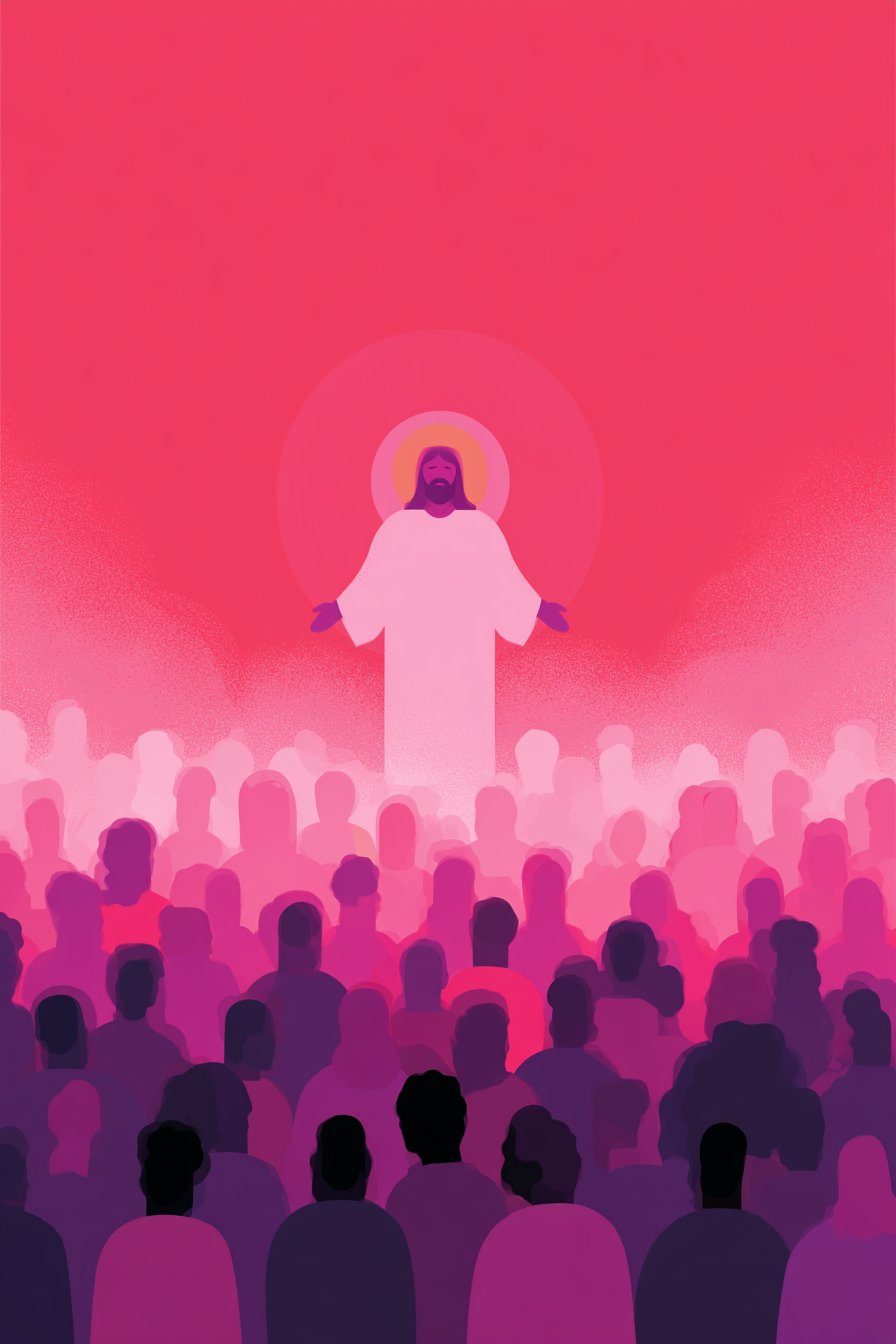
Who they were
St. Justin Martyr, born around AD 100 in Flavia Neapolis, hailed from a Greek-speaking pagan family. His father, Priscus, and grandfather, Bacchius, both of Greek descent, provided Justin with a comprehensive education that fostered his early interest in philosophy. As he grew, Justin became immersed in various philosophical schools, exploring Stoicism, Peripateticism, Pythagoreanism, and Platonism. Despite his extensive studies, he felt a profound emptiness, an unfulfilled search for truth.
This quest took a pivotal turn around AD 130, during Justin's time in Ephesus. An encounter with an elderly Christian profoundly impacted his life. The old man spoke of the prophets and how their teachings were fulfilled in Jesus Christ. This dialogue ignited a spark in Justin, leading him to embrace Christianity and subsequently seek baptism. His newfound faith transformed his intellectual pursuits, guiding him toward a deeper understanding of truth.
In about AD 135, Justin moved to Rome, where he established a school to teach Christian philosophy. His unique approach attracted many students, combining reasoned discourse with faith. Justin became known for engaging in public debates, defending Christianity against critics, particularly other philosophers. His writings, including the "First Apology," "Second Apology," and "Dialogue with Trypho," serve as eloquent defenses of the Christian faith and illustrate his articulate manner. Through these works, Justin not only addressed misconceptions about Christianity but also expressed his belief that faith and reason are not at odds, but rather complementary in the search for truth.
However, Justin's bold advocacy for Christianity did not come without cost. In a climate of increasing persecution under Emperor Marcus Aurelius, he faced significant challenges, including denunciation by the philosopher Crescens. His unwavering commitment ultimately led to his arrest around AD 165, where he stood trial before the urban prefect, Junius Rusticus. When challenged to renounce his faith and sacrifice to the Roman gods, Justin steadfastly refused. His eloquence and firm resolve during this trial highlighted his character, showing a man devoted not only to his faith but also to the pursuit of truth.
Justin, along with six companions, was scourged and beheaded for his beliefs. Their martyrdom stands as a powerful testament to the cost of discipleship, as they chose to embrace death rather than reject their faith. Justin’s final moments resonate with courage, embodying the virtues of a true philosopher and martyr.
The legacy of St. Justin Martyr endures through his writings, which continue to be studied for their theological insights and historical value. He is celebrated as a model for lay apostles and is recognized as the patron saint of philosophers, apologists, and lecturers. His feast day is commemorated on June 1 in the General Roman Calendar.
In sacred art, St. Justin is typically depicted as a bearded figure wearing a philosopher's cloak, often holding a book or scroll, symbols of his intellectual pursuits. His commitment to defending Christianity with reasoned arguments set a standard for future generations, affirming that faith and intellect can coexist harmoniously. As we reflect on his life, we are reminded of the power of truth and the lasting influence of a man who sought understanding and lived out his beliefs courageously, even unto death.
Remembered for
St. Justin is remembered for his profound writings that articulate Christian doctrine, notably the "First Apology," which argues for the truth of Christianity against pagan accusations. He emphasized the importance of philosophy as a pathway to understanding God and defended the faith in a time of persecution. His martyrdom, alongside six companions, underscored his unwavering commitment to Christ and the message of peace.
June 1 · Memorial
How to recognize them
- SwordRepresents martyrdom and the defense of faith.
- ScrollSymbolizes Justin's writings and teachings.
- Palm branchRepresents victory in martyrdom and eternal life.
"We ourselves were well conversant with war, murder, and everything evil, but all of us throughout the whole wide earth have traded in our weapons of war..."
St. Justin Martyr, from "Dialogue with Trypho"Pray with this saint
Holy St. Justin, inspire us to seek the truth in our hearts and minds, and help us to share our faith with courage and clarity. May your example guide us in living out the Gospel with joy.
For your household
Incorporating St. Justin Martyr into family life can inspire a passion for faith and learning. Families can discuss his role as a philosopher who found truth in Christianity, bridging the gap between faith and reason. Consider reading selections from his writings together, making them accessible for the family, and discussing how they relate to everyday life today. Celebrate his feast day by attending Mass and having a special meal to honor his memory, discussing how courage and truth impact your community and personal lives. You might even set aside time to explore the natural world, reflecting Justin's belief in using reason to understand God's creation, helping children appreciate science and faith together.
Pray as a household
Carry your family in prayer
Solua gives your family a simple, faithful rhythm of prayer — one unhurried moment at a time, for the people you carry by name.
Begin