
Marcellinus
St. Marcellinus served as pope during a challenging time for the early Church, leading with courage and faith. His leadership helped guide the faithful through persecution and uncertainty.
- Feast day
- Apr 26
- Known as
- Pope · Bishop
- Era
- 3rd-century Roman Empire
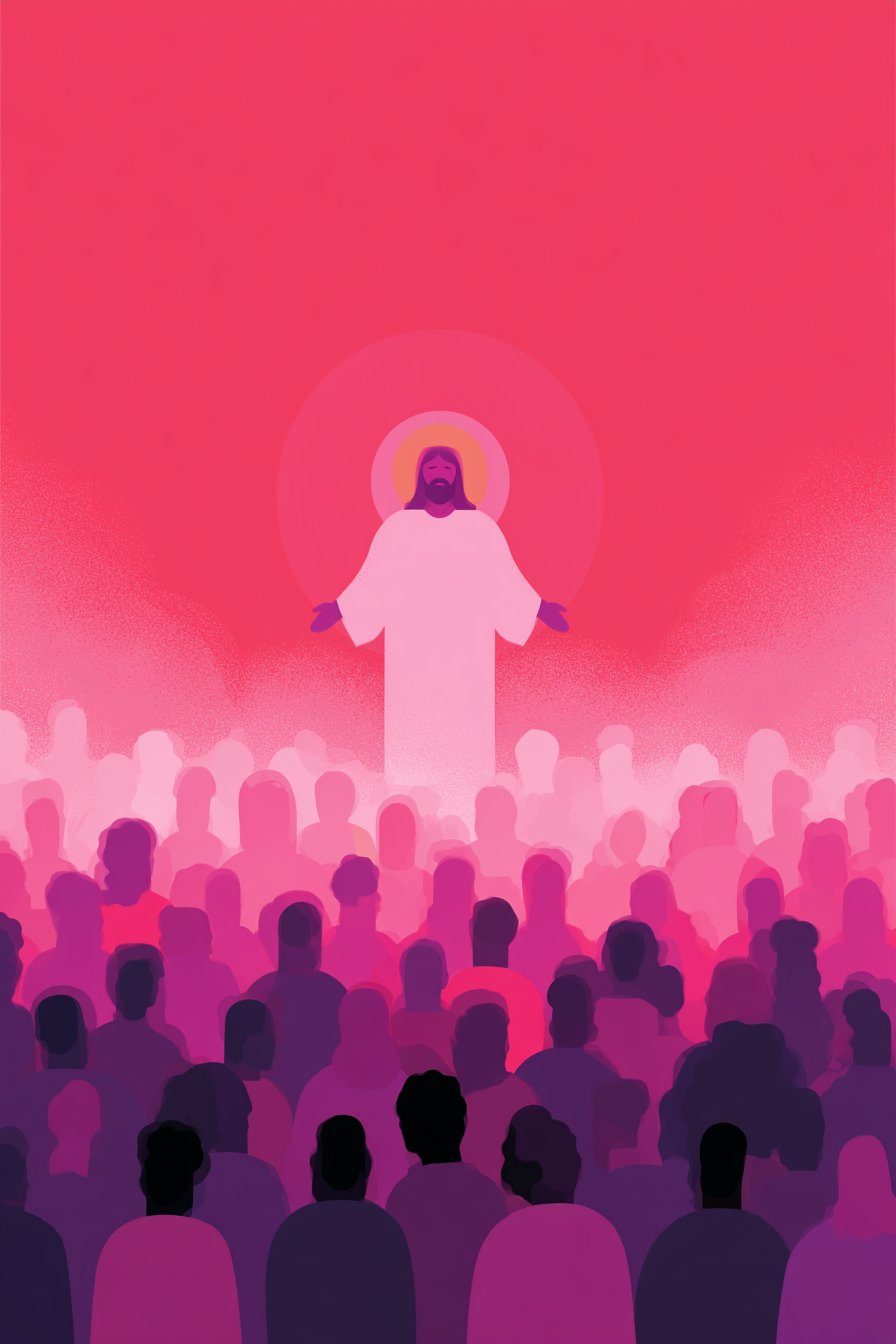
Who they were
Pope St. Marcellinus, a significant figure in the early Church, served as pope during a time of great turmoil and persecution in the Roman Empire. His pontificate is generally believed to have begun around 296 AD and lasted until his martyrdom in either 304 or 305 AD. Very little is documented about his early life, but it is thought that he was likely of Roman origin and received a thorough Christian education.
The Church at this time was facing intense opposition from the Roman authorities, especially under the reign of Emperor Diocletian, who initiated one of the most severe persecutions of Christians. Despite the challenges, Marcellinus demonstrated remarkable courage in his leadership. He not only guided the Christian community but also sought to maintain unity among the faithful amidst the trials they faced. His tenure was focused on strengthening the Church, fostering adherence to the faith, and providing support to those who were suffering for their beliefs.
During his time as pope, Marcellinus was faced with the challenging task of addressing the crisis of apostasy, where some Christians renounced their faith under threat of persecution. Rather than condemning those who faltered, he advocated for reconciliation and understanding, emphasizing God’s mercy and the possibility of redemption. This pastoral approach reflected his deep commitment to the spiritual well-being of all Christians, demonstrating the profound love of Christ embodied in his leadership.
The details of Marcellinus's martyrdom are somewhat ambiguous, with various accounts suggesting he was arrested and executed for refusing to sacrifice to pagan gods. According to tradition, he met his end by being beheaded, affirming his unwavering faith until the very last moment. His bravery and steadfastness inspired many Christians who wondered how to remain faithful in the face of severe pressure.
As the first pope to be buried in the Catacombs of St. Callixtus, his final resting place became a site of veneration for early Christians, further testament to the impact of his leadership. His legacy endured in the memories of early Christians, who remembered him not only as a shepherd of the flock but also as a martyr who stood firm in his faith.
Pope St. Marcellinus is commemorated for his dedication to the Church and his commitment to nurturing the faith of others during one of history's most challenging periods for Christians. His feast day is celebrated on April 26, where the Church honors his remarkable life and sacrifices made for the sake of truth and justice in the name of Christ. His story continues to inspire believers to remain steadfast in their faith, echoing the call to witness to God's love courageously, even in the face of adversity.
Remembered for
St. Marcellinus is remembered for his courageous leadership as pope during a time of intense persecution of Christians. He guided his flock with steadfast faith, encouraging them to remain true to their beliefs despite the threats they faced.
His papacy is marked by his commitment to the spiritual and moral integrity of the Church, as he worked diligently to reinforce the Christian community and promote unity among the faithful. He is also associated with the martyrdom of many early Christians and is venerated for his efforts to aid those in distress during these turbulent times.
Apr 26
How to recognize them
- Papal tiaraRepresents his role and authority as pope.
- BookSymbolizes his teachings and guidance for the Church.
- Palm branchAssociated with martyrdom and victory over persecution.
- ChainsReflects the trials and sufferings endured by early Christians.
Pray with this saint
Holy Marcellinus, guide us in our faith and help us to stand strong amidst trials. May we follow your example of courage and steadfastness in our times of need, supporting one another in love as you did with your flock.
For your household
Integrating St. Marcellinus into your family life can be a wonderful way to connect with this early Church leader. Start by sharing stories about his courage and leadership during times of persecution with your children. Discuss how faith can provide strength in difficult moments, encouraging them to ask for his intercession when facing challenges.
On his feast day, April 26, consider making a special family prayer or attending Mass together. You might light a candle in his honor and reflect on the virtues he exemplified, perhaps even creating a small altar dedicated to him in your home.
Incorporating his name into family discussions and prayers can help keep his spirit alive among you. Choose activities that involve service to others, showing how we can support those in our community who are suffering just as St. Marcellinus cared for his flock. Additionally, consider celebrating his name-day if you or a family member has the name Marcellinus, making it a special occasion for reflection and gratitude.
Pray as a household
Carry your family in prayer
Solua gives your family a simple, faithful rhythm of prayer — one unhurried moment at a time, for the people you carry by name.
Begin