
Marcellus of Paris
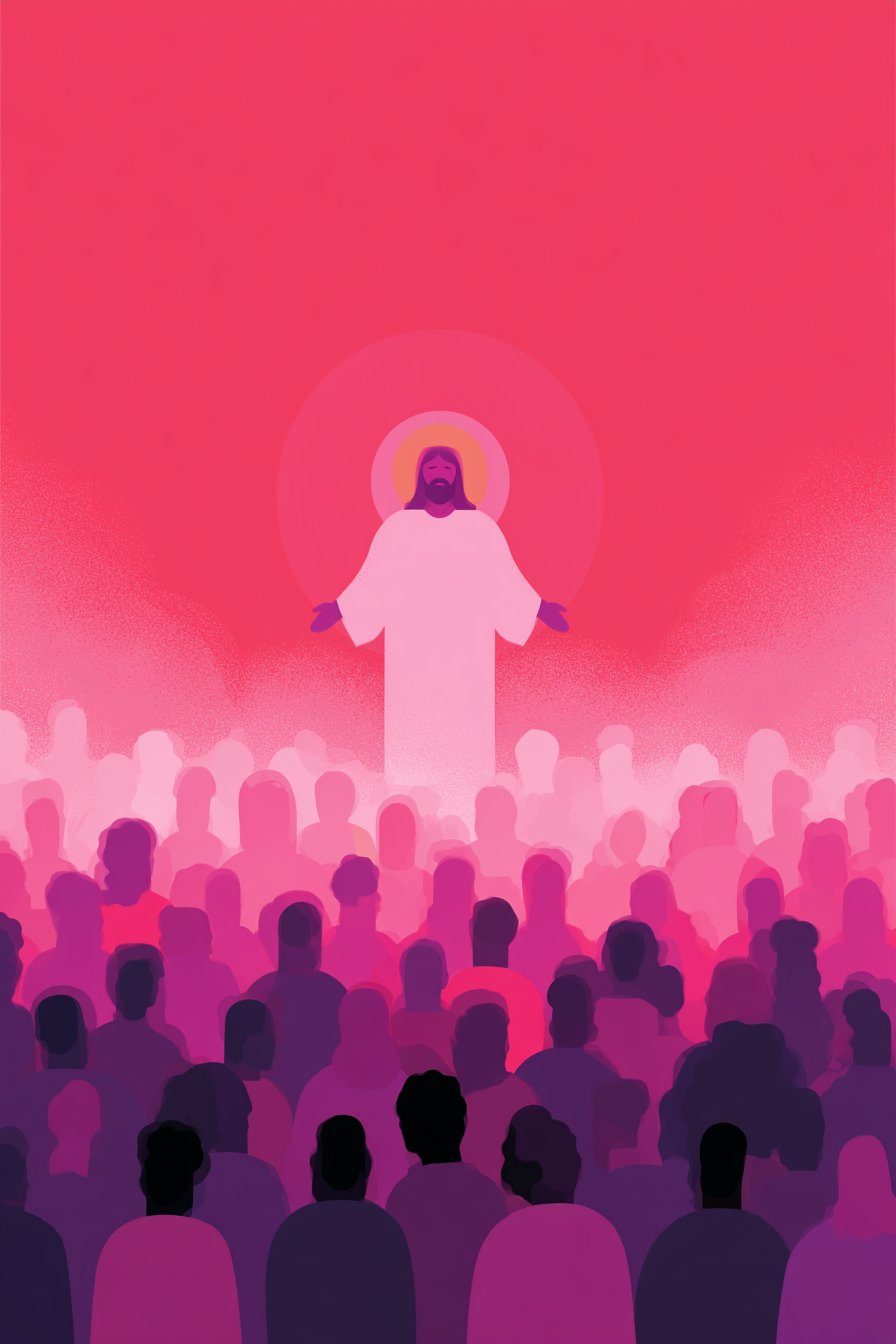
St. Marcellus of Paris was a bishop known for his leadership and care for his flock. His commitment to the Church and its teachings left a profound impact.
- Feast day
- Nov 1
- Known as
- Bishop
- Era
- 7th-century France
Who they were
St. Marcellus of Paris, also known as Marcellus I, served as the bishop of Paris during the early 6th century. His exact birth date is not well-documented, but he is believed to have been born into a noble family, possibly around the year 508. From a young age, Marcellus exhibited a deep devotion to the Christian faith, which ultimately guided him toward a life of service within the Church.
As bishop, Marcellus played a pivotal role in shaping the Christian community in Paris. His leadership during a time of political upheaval and religious strife was marked by his steadfast commitment to the teachings of the Church. He was known not only for his preaching and catechesis but also for his pastoral care, tending diligently to the spiritual needs of his flock. His deep compassion and understanding of the complexities of human suffering made him a beloved figure among his parishioners.
One significant moment in Marcellus's life occurred during the reign of King Clotaire I, who sought to unify the newly established Frankish kingdoms under a single Christian doctrine. Marcellus worked tirelessly to promote the tenets of Catholicism, navigating the challenges of various heretical movements that threatened to divide the faithful. His resolute stand against Arianism, a heresy that denied the divinity of Christ, demonstrated his unwavering commitment to the truth of the faith.
Marcellus was also known for his efforts in promoting education and moral integrity among the clergy. He encouraged the priests under his guidance to lead virtuous lives and provide sound teaching to their congregations. His dedication to ensuring that his clergy were well-prepared to instruct the faithful was evident in the establishment of schools and the encouragement of monastic life.
Despite his many successes, Marcellus faced trials and opposition during his tenure. Jealousy and political intrigue were prevalent in the court of King Clotaire, and Marcellus often found himself at odds with powerful figures who sought to undermine his authority. Nevertheless, he remained undeterred, prioritizing the spiritual well-being of his people over personal safety and comfort.
Marcellus's death is traditionally commemorated on November 1st, although the exact circumstances surrounding it are not clear. He is venerated as a saint, reflecting the impact of his life and ministry. His legacy lived on through the Church in Paris, where devotion to him continued for centuries.
St. Marcellus of Paris is remembered not only for his role as a bishop but also for embodying the virtues of leadership, faithfulness, and compassion. His life serves as an inspiration for modern Christians, emphasizing the importance of unwavering dedication to one’s vocation and the profound responsibility of shepherding God’s people. Through his example, families today can draw lessons on the significance of community and the necessity of nurturing a strong faith amidst adversity.
Remembered for
St. Marcellus of Paris is remembered for his leadership as a bishop during a time of great change in the Church. He worked tirelessly to care for his flock, guiding them in their faith and addressing their spiritual needs. His unwavering commitment to the teachings of Christ helped solidify the Church's presence in Gaul, fostering a deeper devotion among the Christian community.
In addition to his pastoral duties, St. Marcellus is celebrated for his deep connection to the liturgy and for promoting the importance of public worship. He is often remembered for his efforts to enhance the sacred practices of the Church, ensuring that the faithful could engage in worship more profoundly. His legacy lives on through the impact he had on the spiritual life of the community in Paris and beyond.
Nov 1
How to recognize them
- MitreRepresents his role as a bishop and teacher of the faith.
- CrozierSymbolizes his pastoral care and leadership over his flock.
- BookSignifies his dedication to the teachings of the Church and Scripture.
- CandleRepresents the light of faith he spread in the community.
Pray with this saint
Holy Marcellus, guide us in our journey of faith and inspire us to care for one another as you did for your flock. Intercede for us that we may grow in love and devotion to the Church. Help us to live out our call to serve selflessly, reflecting Christ’s love in all that we do.
For your household
To integrate St. Marcellus of Paris into your family's spiritual life, consider celebrating his feast day on November 1st with a special family prayer or a small gathering. You could light a candle in his honor and take turns sharing how you can embody his virtues of leadership and care in your daily lives. Discuss with your children the importance of community and service, emphasizing how St. Marcellus guided his flock through challenging times.
Incorporating St. Marcellus into your household could also involve a family tradition of dedicating a grace before meals to him, asking for his intercession to foster unity and love in your home. Sharing stories about his life can inspire children to respect their community and serve others in need. This practice of remembrance not only honors St. Marcellus but also encourages a spirit of empathy and service in your family dynamics.
On his feast day, consider volunteering as a family in a local charity, echoing the selfless and caring nature of St. Marcellus. Discussing the challenges faced by those in need will help cultivate a deeper understanding of compassion and responsibility in your children, connecting them to the legacy of this saint.
Pray as a household
Carry your family in prayer
Solua gives your family a simple, faithful rhythm of prayer — one unhurried moment at a time, for the people you carry by name.
Begin