
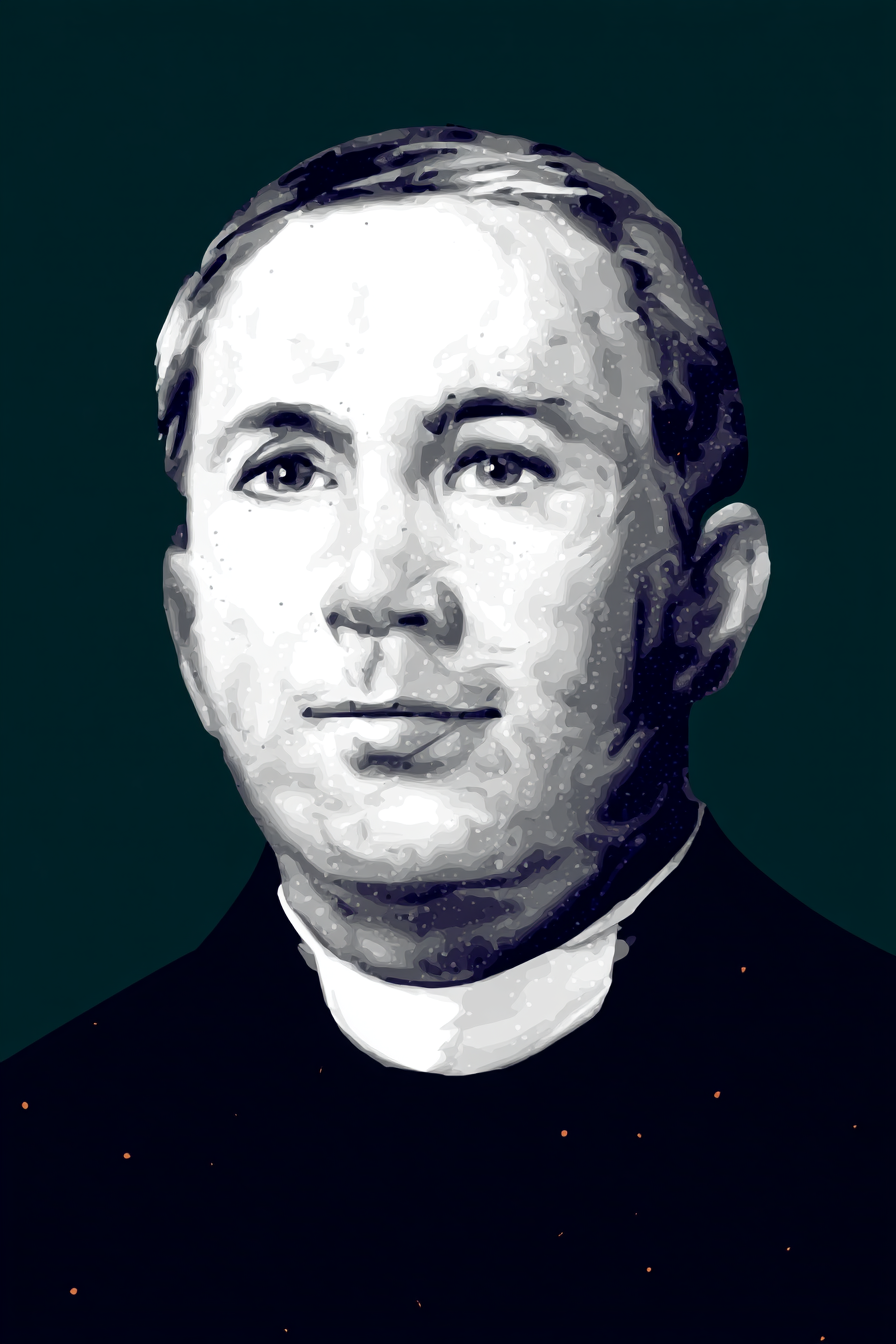
Mateo Correa Magallanes
Mateo Correa Magallanes was an Argentinian priest known for his pastoral care and dedication to his parishioners. His martyrdom in 1927 highlights his commitment to the faith and his community.
- Feast day
- Feb 6
- Known as
- Religious
- Era
- 20th-century Argentina
Who they were
Mateo Correa Magallanes was born on July 18, 1882, in the small town of Tepechitlán, Zacatecas, Mexico. He grew up in a devout family, steeped in the traditions of the Catholic faith. From an early age, Mateo showed a deep commitment to his faith and felt a calling to the priesthood. He pursued his studies at the seminary, where he nurtured both his spiritual life and theological education. He was ordained a priest on July 20, 1910, and soon after was assigned to serve in various parishes, where he quickly became known for his warmth and pastoral care.
In 1915, he moved to the parish of Ciudad Guzmán, Jalisco, where he worked tirelessly in his ministry, providing spiritual support to his parishioners and emphasizing the importance of education and community involvement. Mateo was not just a priest; he was a confidant and a source of strength for many families, helping them navigate their struggles with faith and everyday hardship. His compassionate approach made him beloved among his community, as he was known to visit the sick and the elderly, and often stood as a beacon of hope in troubled times.
The landscape of Mexico began to change dramatically in the early 20th century with the rise of anti-Catholic sentiment. As the government enacted stricter laws against the Church, many priests were forced to hide their identities and their practices. Despite the dangers, Father Mateo remained steadfast in his commitment to serve his people openly. He saw his role as essential during this tumultuous period, believing strongly that the faith must be upheld, and he sought to provide true spiritual comfort in the face of potential persecution.
In 1927, during the height of the Cristero War—a violent struggle between the Mexican government and those who fought for religious freedom—Mateo faced grave danger. After being denounced to the authorities, he was arrested. During interrogation, he was unyielding, refusing to betray his fellow clergy or reveal the names of those who sought the sacraments. His steadfastness drew the ire of government officials, who sought to break his spirit. They offered him a chance to save his own life by renouncing his faith and complying with the government's demands, but Mateo instead chose to remain faithful to God and his mission.
On February 6, 1927, Mateo Correa Magallanes was executed by firing squad. As he faced martyrdom, he reportedly proclaimed his love for Christ and his dedication to the Church, embodying the virtues of fortitude and faith. His last words were a testament to his unwavering belief, as he continued to encourage those around him to remain steadfast in their faith despite the persecution they faced.
Mateo's legacy as a martyr has inspired countless others in their faith journey. He was beatified by Pope John Paul II on November 22, 1992, and canonized on May 21, 2000. His life exemplified a deep commitment to pastoral care, community service, and unwavering faith in God even in the face of death. Today, Saint Mateo Correa Magallanes stands as a symbol of courage for many, especially within the context of suffering and the defense of religious liberty. His story serves as a reminder of the importance of commitment to one’s faith and the lengths to which one may go to uphold it.
Remembered for
Mateo Correa Magallanes is remembered for his profound dedication to pastoral care and the sacraments, particularly in his commitment to providing spiritual assistance during a time of persecution against the Church in Mexico. His unwavering support for his parishioners amid violent opposition illustrates his courageous faith. As a martyr, he exemplifies the ultimate sacrifice for the faith, inspiring many to stand firm in their beliefs against adversity.
His martyrdom in 1927, during the Cristero War, serves as a powerful testimony of love and devotion to God, as well as to the people he served. He is also recognized for his compassionate guidance, emphasizing the importance of confession, the Eucharist, and the role of the priest in nurturing the spiritual lives of the faithful. His life and death resonate with those facing struggles in their own faith journeys, reminding them of the strength found in their beliefs.
Feb 6
How to recognize them
- Priestly robeRepresents his vocation and sacrificial service as a priest.
- ConfessionalSymbolizes his dedication to the sacrament of reconciliation.
- Crown of martyrdomIndicates his ultimate sacrifice for his faith in Christ.
- CrossRepresents his unwavering faith amidst persecution.
- EucharistSignifies his love for the Holy Sacrifice of the Mass.
- HeartEmblematic of his love and compassion for his parishioners.
Pray with this saint
Holy Mateo Correa Magallanes, intercede for us as we strive to deepen our faith and commitment to our community. Help us to be courageous in times of trial and to serve others with the same love and dedication you showed. Pray for our families, that we may follow Christ's example in our daily lives.
For your household
To integrate the life of Saint Mateo Correa Magallanes into your family, consider celebrating his feast day, February 6, by attending Mass together as a family or engaging in prayer at home. This day can serve as a wonderful opportunity to discuss the importance of courage and faith in the face of adversity. As you tell your children about his life, emphasize how he served his community despite great risks and hardships, instilling in them the values of selflessness and dedication to God.
In your household, establish a special tradition such as lighting a candle and saying a special prayer to Saint Mateo on his feast day. Families can also choose to volunteer in their local parish or community service opportunities, honoring his legacy by serving others just as he did. Consider making a meal that reflects the culture of Argentina, discussing the significance of the food while connecting it to Saint Mateo's life and the values he exemplified.
Whenever challenges arise, invoke Saint Mateo’s intercession as a family. This could be during prayer times or family discussions where your children can express their own fears or struggles, learning to turn to the saints for help and guidance. Such practices will help your children develop a living faith rich in community and commitment to Christ's teachings.
Pray as a household
Carry your family in prayer
Solua gives your family a simple, faithful rhythm of prayer — one unhurried moment at a time, for the people you carry by name.
Begin