Maximilian Kolbe
Maximilian Kolbe was a Polish Franciscan friar who courageously gave his life in place of another during World War II. His selfless act of love and sacrifice has inspired countless people around the world.
- Feast day
- Aug 14
- Known as
- Martyr · Religious
- Era
- modern
Who they were
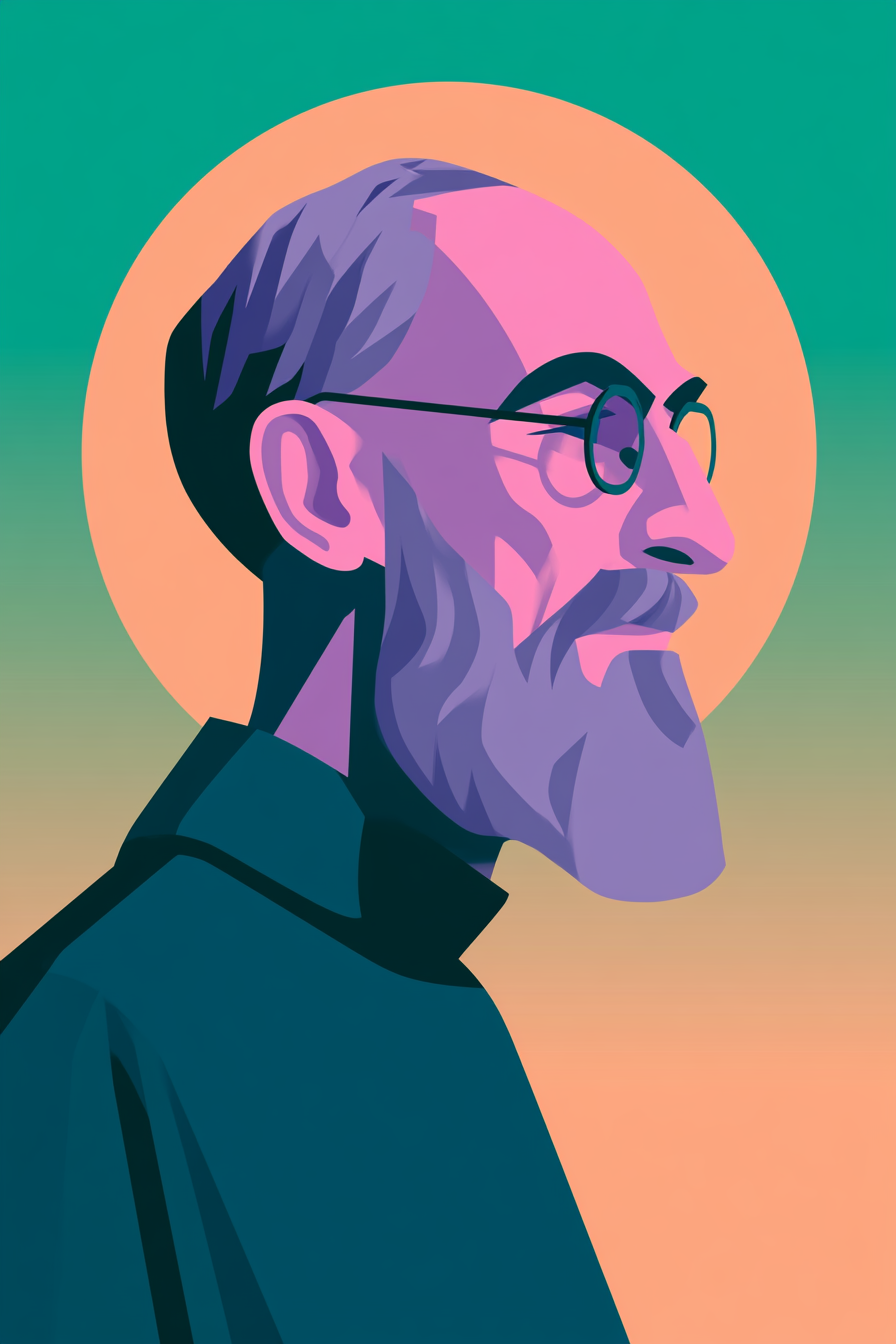
Maximilian Kolbe was born on January 8, 1894, in Zduńska Wola, Poland, into a deeply religious family. From a young age, he was immersed in Catholic teachings and demonstrated a fervent devotion to the faith. He entered the Conventual Franciscan Order at the age of 16, taking the name Maximilian. Kolbe pursued his studies in philosophy and theology, eventually earning a doctorate in theology in Rome. While there, he founded the Militia Immaculatae, a movement aimed at promoting devotion to the Virgin Mary and evangelizing the world.
Kolbe returned to Poland in 1919, where he continued his work, establishing the Niepokalanów, or City of the Immaculata, a Franciscan friary dedicated to spreading the message of Mary. With the help of his brothers, he published a popular magazine that reached thousands of readers, encouraging a deeper relationship with Christ through the intercession of Mary. His efforts exemplified his commitment to both evangelization and love for his fellow man.
As tensions in Europe rose and World War II erupted, the Nazi regime targeted Poland and its churches. In 1941, Kolbe was arrested for his outspoken anti-Nazi sentiments and was deported to Auschwitz concentration camp. Despite the horrific conditions, he continued to practice his faith, offering encouragement and solace to fellow prisoners, which was a profound testament to his inner strength and belief in the value of every human life.
In July 1941, after several prisoners escaped from Auschwitz, the camp commander ordered that ten men be executed in retaliation. Maximilian Kolbe volunteered to take the place of a man named Francis Gajowniczek, who was a husband and father. This act of self-sacrifice exemplified Kolbe's profound faith and love for others. He offered his life for Gajowniczek's, showing that the power of love can transcend even the direst circumstances.
Kolbe was led to a starvation bunker, where he remained with nine others. In his last days, he comforted them, led prayers, and sang hymns, embodying true Christian charity until he was executed on August 14, 1941. His martyrdom marked him as a profound figure of love, sacrifice, and unwavering faith.
After the war, Francis Gajowniczek shared Kolbe's story, which resonated with many and echoed the message of unconditional love. Maximilian Kolbe was canonized by Pope John Paul II in 1982, who declared him a martyr of charity. Today, Kolbe is remembered not only for his courage but also for his deep commitment to love and faith amid suffering, making him a model for anyone striving to live out the Christian call to love one's neighbor. His feast day is celebrated on August 14, a reminder of his selfless act and enduring legacy.
Remembered for
Maximilian Kolbe is remembered for his extraordinary act of self-sacrifice during World War II, where he voluntarily took the place of a fellow prisoner sentenced to death by starvation. He exemplified the Christian virtues of charity and love, putting others before himself. He founded the Militia Immaculatae, dedicated to promoting devotion to the Virgin Mary, and wrote extensively about the faith, emphasizing the importance of love and sacrifice in the Christian life.
His life and martyrdom have become a beacon of hope for many, inspiring countless people facing suffering or death. Through his example, he invites the faithful to confront their fears and to live out the gospel message of unconditional love, even in the face of hatred and despair.
Aug 14
How to recognize them
- White martyr's habitRepresents his Franciscan commitment and purity of heart.
- Crown of thornsSymbolizes the sacrifices he made for love and faith.
- Immaculate Heart of MaryReflects his deep devotion to Mary, whom he sought to emulate.
- Prison cellA reminder of his martyrdom and the suffering he endured for another.
- Pencil and paperRepresents his writings and teachings on faith and love.
No one has greater love than this, to lay down one's life for one's friends.
John 15:13Pray with this saint
Holy Maximilian Kolbe, martyr of love, intercede for us that we may embody selflessness and courage in our daily lives, especially in moments of suffering and sacrifice.
For your household
Integrating the life of St. Maximilian Kolbe into your family's spiritual practices can foster a deeper sense of charity and resilience. Consider establishing a feast day tradition on August 14, where your family gathers for a special meal that includes sharing stories about the saint. This can be coupled with a family prayer, asking for his intercession in challenging times.
Encourage your children to reflect on what it means to love others selflessly. You might create a poster or a drawing together that illustrates his life and virtues, highlighting his sacrifice and the importance of caring for those in need. Discuss the significance of suffering in the Christian life by exploring how Kolbe faced adversity with faith and courage.
For name-day practices, if you have a child or family member named after St. Maximilian, celebrate their special day with a small gift or prayer specifically invoking St. Maximilian's spirit. This can serve as a reminder for the family to live out the virtues he exemplified, fostering a culture of love and self-giving within your home.
Pray as a household
Carry your family in prayer
Solua gives your family a simple, faithful rhythm of prayer — one unhurried moment at a time, for the people you carry by name.
Begin