
St. Patrick
Patrick was kidnapped as a boy and enslaved in Ireland. After escaping, he heard God's call to return as a missionary. He baptized thousands and brought the faith to the Irish people.
- Feast day
- Mar 17
- Known as
- Bishop · Apostle
- Era
- early-church
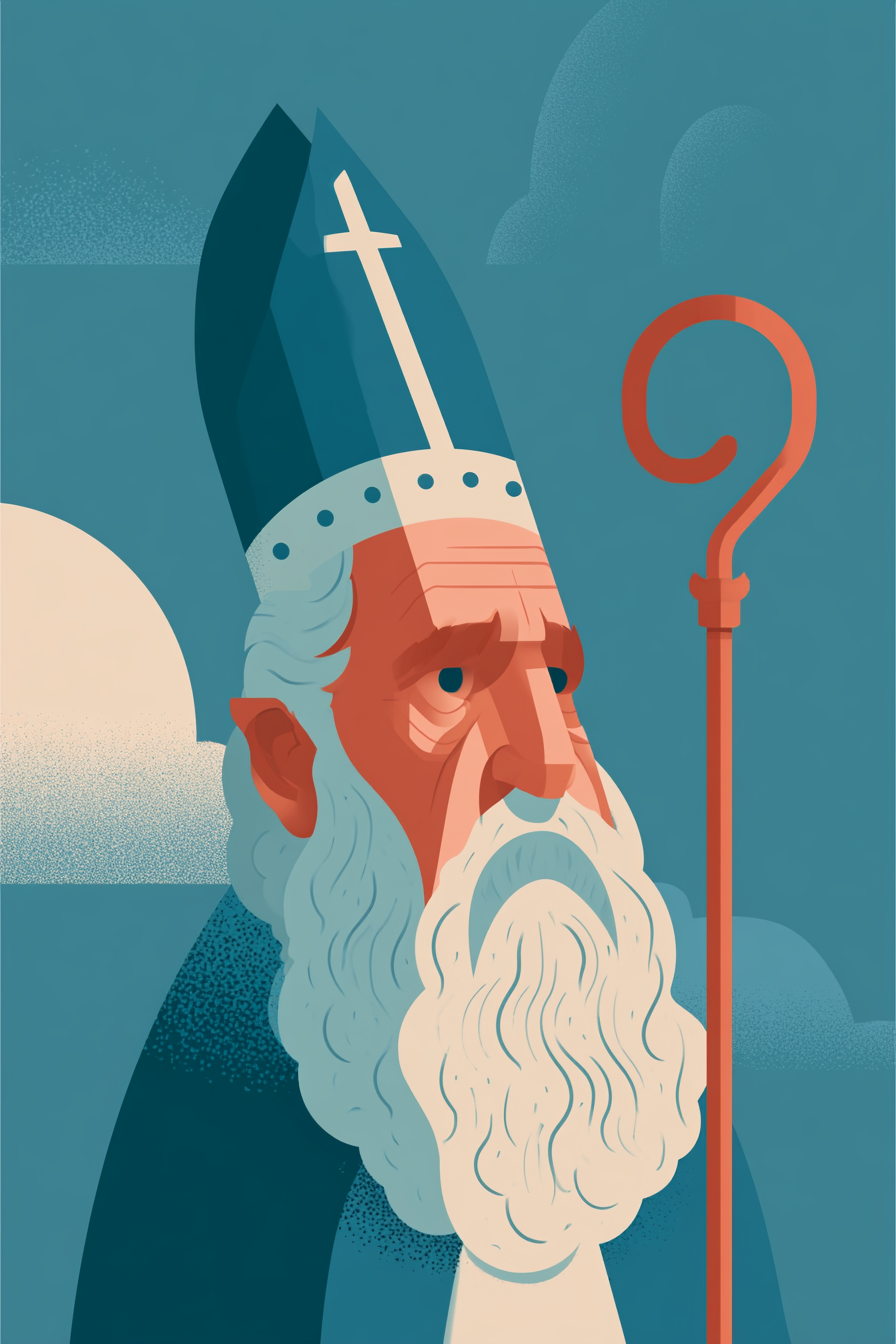
Who they were
St. Patrick was born around the year 385 in Roman Britain, into a wealthy family. His father was a deacon and his grandfather a priest, providing Patrick with a Christian background. However, at the age of 16, his life took a drastic turn when he was captured by Irish raiders and taken to Ireland as a slave. During his six years of captivity, he worked as a shepherd, turning to prayer for solace. This time in isolation deepened his faith and connection to God, igniting a profound spiritual transformation within him.
After escaping, Patrick returned to Britain, where he reunited with his family. Despite the comfort he found back home, the memory of his captivity in Ireland and a divine calling stirred within him. As he prayed one night, he experienced a vision that prompted him to return to Ireland as a missionary to convert the pagan Irish to Christianity.
Around the year 432, he set off back to Ireland, armed with the resolve to bring Christ to the people who had once enslaved him. Patrick faced considerable challenges upon his return, including hostility from the local chieftains and religious leaders. Nevertheless, he engaged in fervent dialogue and demonstrated a tireless commitment to spreading the Gospel. Using familiar symbols, like the three-leafed shamrock to explain the Holy Trinity, Patrick made the faith accessible to the Irish people. His ability to connect with them culturally laid the groundwork for effective evangelization.
Over his 30 years as a missionary, Patrick traveled extensively throughout Ireland, establishing monasteries, churches, and schools. He baptized thousands, confirmed countless people, and ordinated numerous priests, which played a monumental role in Christianizing the nation. He also famously challenged the druid priests, firmly establishing the presence of Christianity in a land long steeped in pagan traditions.
Patrick's life was marked not only by his successes but also by numerous difficulties. He endured fierce opposition, overcame threats, and suffered persecution. Through all of this, he remained steadfast in his mission, embodying the virtues of humility, courage, and perseverance in faith.
He is believed to have died on March 17, around the year 461, in Saul, where he first established an altar. His legacy did not end with his death; he became the patron saint of Ireland, and his influence grew beyond the borders of the nation. Today, he is celebrated both for his missionary efforts and for being a symbol of Irish identity and faith.
St. Patrick's rich life story remains intertwined with Irish culture and Christianity, reminding believers of the transformative power of faith and the importance of answering God’s call, no matter the obstacles one may face. His feast day, celebrated on March 17, has become a day of cultural and spiritual significance, revered by Irish people and others around the world.
Remembered for
Saint Patrick is remembered for his pivotal role in converting Ireland to Christianity, where he baptized thousands and established numerous churches. His deep faith and resilience in the face of adversity, particularly after being kidnapped and enslaved, demonstrate his unwavering dedication to God’s mission. Patrick is also celebrated for incorporating the use of the shamrock to explain the Holy Trinity, making it an enduring symbol of both his teachings and Irish Christianity.
His miraculous works include driving snakes out of Ireland, a metaphor for eradicating paganism, and providing healing and hope to those in need. Patrick’s writings, notably the "Confessio," reveal his spiritual journey and commitment to spreading the Gospel. To this day, he serves as a model of evangelization, courage, and the transformative power of faith in action.
Mar 17
How to recognize them
- ShamrockUsed by St. Patrick to explain the Holy Trinity.
- CrosierRepresents his role as a bishop and leader of the Church.
- SnakeSymbolizes the expulsion of paganism from Ireland.
- Baptismal fontReflects his dedication to baptizing thousands.
- BookSignifies his writings and teachings about faith.
I arise today through a mighty strength, the invocation of the Trinity.
St. Patrick's BreastplatePray with this saint
Holy Saint Patrick, intercede for us as we strive to embody your faith and courage. Guide our families in spreading love and compassion, just as you did among the Irish people. Help us to overcome life’s challenges with your spirit of perseverance and trust in God.
For your household
Integrating Saint Patrick into family life can be joyful and enriching. Families might begin by celebrating his feast day on March 17 with prayers and traditions. A special meal featuring traditional Irish dishes, learning about his life, and discussing the importance of faith in overcoming adversity can make this day meaningful.
Parents may encourage children to share stories about Saint Patrick, emphasizing his bravery and love for God. Creating a simple craft, such as making a shamrock, can help visualize his teachings about the Trinity. Additionally, families can establish a tradition of saying a specific prayer to Saint Patrick, asking for his intercession in helping them grow in faith and overcome challenges, a reminder of how he faced his own trials with courage.
For those facing difficulties or transitions, invoking St. Patrick’s support can be a source of comfort. Sharing his story, especially how he returned to his captors with forgiveness, can inspire thoughtful conversations about compassion and resilience in family discussions of hardships.
Pray as a household
Carry your family in prayer
Solua gives your family a simple, faithful rhythm of prayer — one unhurried moment at a time, for the people you carry by name.
Begin