
St. Rose of Lima
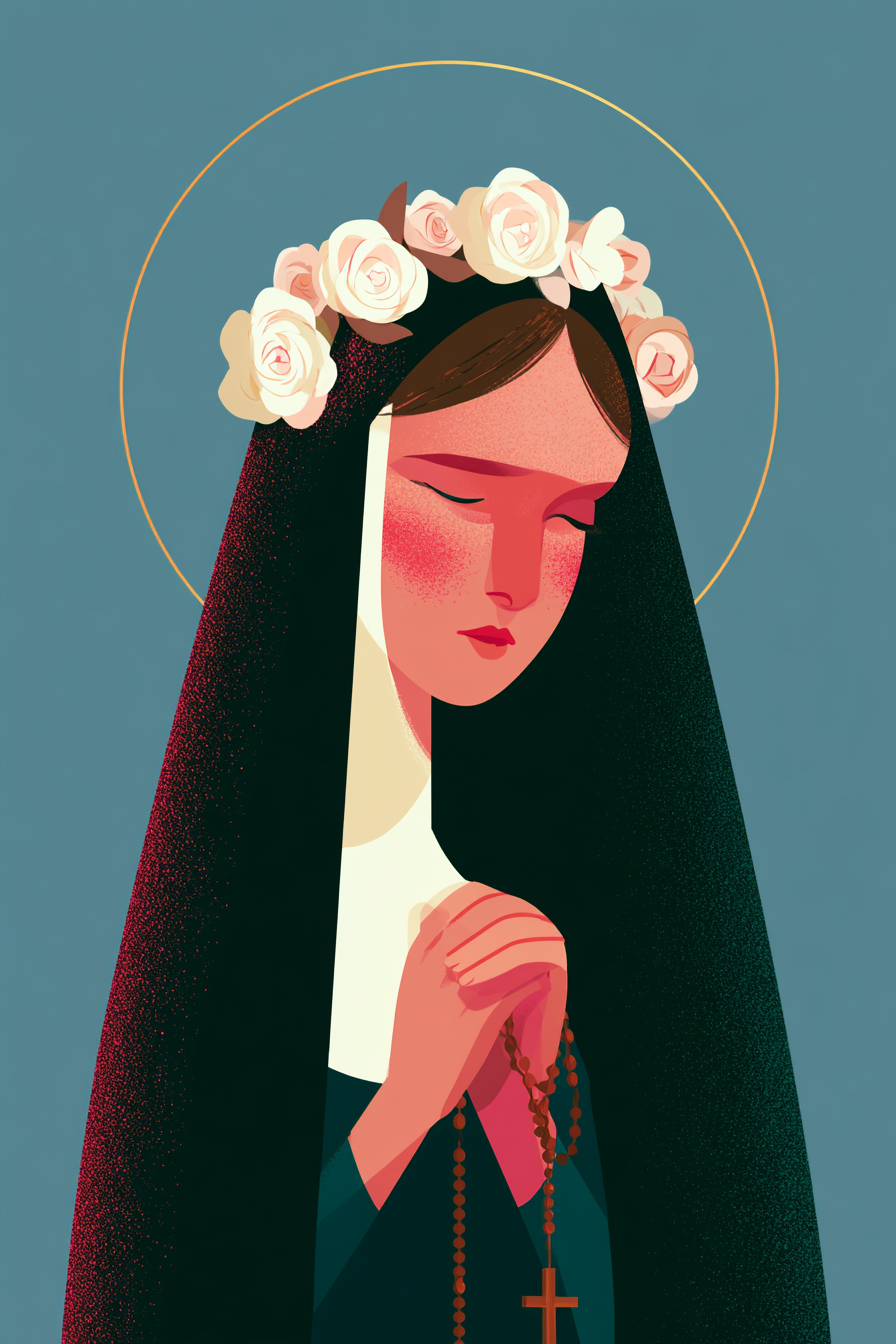
Rose of Lima was the first person born in the Americas to be canonized. She modeled herself on Catherine of Siena, practicing severe penance and mystical prayer, and protected Lima through her intercession.
- Feast day
- Aug 23
- Known as
- Mystic · Lay
- Era
- early-modern
Who they were
Isabel Flores de Oliva, known to the world as St. Rose of Lima, was born on April 20, 1586, in Lima, Peru. She was the daughter of Spanish colonists, and from a young age, her beauty and piety were apparent. Friends and family often remarked on her exceptional dedication to God, which manifested through her prayer life and acts of charity. Even as a child, Rose felt a calling to the religious life, often expressing a desire to belong to God above all worldly things.
As she grew older, Rose began to embrace a life of severe penance and asceticism, inspired by the lives of the saints, especially St. Catherine of Siena. She chose to practice extreme self-discipline, using her own body as a means of atonement, and regularly engaged in acts of penance such as fasting and wearing a crown of thorns. Many who witnessed her devotion were inspired by her commitment to holiness, though some family members urged her to abandon her austere practices. However, Rose remained firm in her resolve, regularly seeking to deepen her relationship with God.
Living in a turbulent time for the Spanish colonies, Rose devoted herself to serving the poor and the sick in Lima. She transformed her home into a place of refuge for the marginalized, often caring for those afflicted by diseases. Her virtuous acts garnered respect and admiration among the local population and led to her being regarded as a miraculous figure in her own lifetime.
Rose's mystical experiences were profound and numerous. She reportedly received visions and revelations, sometimes experiencing ecstasies during prayer. Among her many gifts, she was known to have a special devotion to the Eucharist, finding solace in the presence of Christ. Her prayer life was characterized by a deep longing for union with God, which was often expressed through her poetic reflections and profound insights.
Despite her notable sainthood, Rose faced struggles. She often battled intense periods of spiritual dryness and temptation. Yet she viewed these trials as necessary for spiritual growth, remaining steadfast in her faith and commitment to prayer. The local clergy and community were witnesses to her remarkable life of virtue, and she soon became a beacon of hope and faith for those who knew her.
St. Rose of Lima passed into eternal life on August 24, 1617, at the age of 31. Following her death, she was buried in the Monastery of St. Dominic in Lima. Almost immediately, stories of miracles attributed to her intercession began to circulate, further cementing her legacy. Recognized for her holiness and extraordinary life, she became the first person born in the Americas to be canonized by Pope Clement IX in 1671.
Rose’s memorial has since been celebrated on August 23, drawing thousands who honor her life of faith and intercession. Her legacy lives on, as she continues to inspire countless people with her example of piety, humility, and dedication to God. Today, she is not only the patron saint of Peru but also of the indigenous people of Latin America, embroiling her memory in the ongoing spirit of compassion and empathy within the Catholic faith. Her life serves as a reminder of the strength found in deep devotion and the power of intercession through prayer.
Remembered for
Remembered for her deep mysticism and commitment to penance, St. Rose of Lima's life was marked by her profound love for God and neighbor. She is known for her earnest prayers and acts of service, which extended to the poor and sick of Lima. As the first canonized saint of the Americas, her intercession is believed to have protected the city she loved dearly from disasters and calamities.
St. Rose practiced severe penances, including fasting and self-denial, reflecting her deep desire to imitate Christ. Her mystical experiences often left her in profound communion with God, inspiring many to seek her intercession in their own challenges. She also encouraged devotion to the Eucharist and the Virgin Mary, embodying the virtues of humility and charity, making her a model of holiness for laypersons today.
Aug 23
How to recognize them
- RoseRepresents her name and symbolizes her purity and love for God.
- Crown of thornsSignifies her asceticism and deep devotion to Christ's suffering.
- LimaRepresents her role as the protector of the city and her commitment to serve its people.
- EucharistSymbolizes her profound devotion to the Holy Sacrament.
- White flowersOften depict her purity and exemplify her holy life.
Apart from the cross, there is no other ladder by which we may get to heaven.
Catechism of the Catholic Church, §618Pray with this saint
Holy Rose of Lima, intercede for us as we seek to live out our faith in love and service. Help us to embrace the virtues of humility and compassion, and to grow in our relationship with Jesus. Guide our hearts towards the needs of others, and may our lives reflect the light of Christ in the world.
For your household
For your household, St. Rose of Lima offers a beautiful opportunity to explore themes of service and sacrifice. Families can create a special prayer altar dedicated to her on her feast day, August 23, where members can place flowers, especially roses, in her honor. This can serve as a visual reminder of her virtues and a space for prayers asking for intercession in times of need.
In discussions with children, share stories of St. Rose’s life, emphasizing her commitment to helping the poor and how her sacrifices brought her closer to God. Engage kids in acts of charity, perhaps by setting aside a day each month to volunteer at a local shelter or to gather supplies for those in need. Talk about how sometimes loving others can be challenging, paralleling St. Rose's own struggles with self-denial and her unwavering faith.
Celebrating her name day can become a beautiful family tradition with prayers, sharing stories about her life, and enjoying a favorite meal together. Encourage the family to remember her as a patron of those who suffer, using her example to find strength in the trials they face, thus fostering a sense of resilience and compassion within the home.
Pray as a household
Carry your family in prayer
Solua gives your family a simple, faithful rhythm of prayer — one unhurried moment at a time, for the people you carry by name.
Begin