
Symmachus
Symmachus served as pope during a time of division within the Church, working diligently to promote unity and reconciliation. His leadership was marked by a commitment to the teachings of Christ.
- Feast day
- Jul 19
- Known as
- Pope
- Era
- Early 6th-century Rome
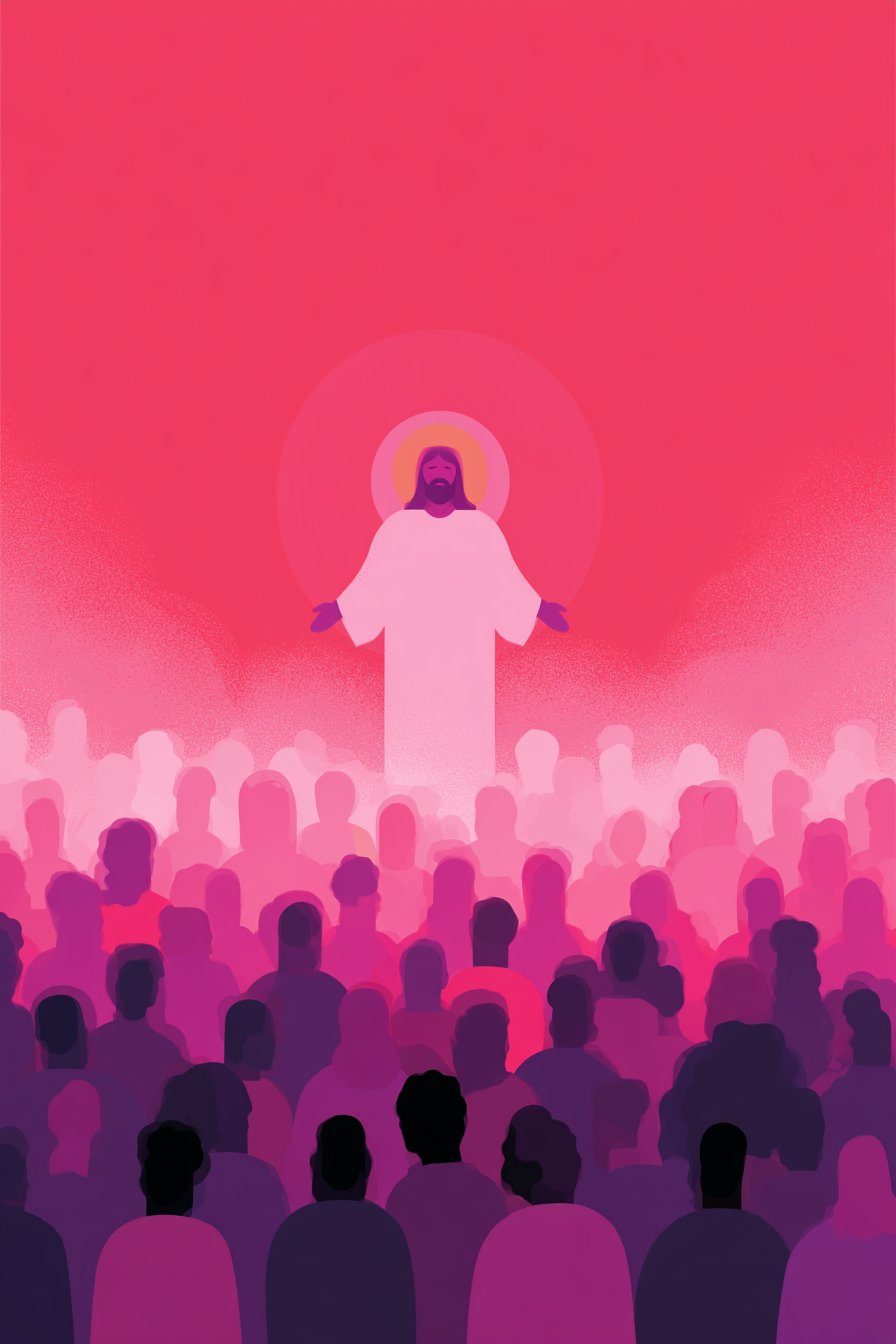
Who they were
Pope Symmachus, who served from 498 to 514, ascended to the papacy during a challenging period for the Church, marked by internal divisions and the influence of Arianism. Born in Rome around 465, Symmachus came from a noble family and was well-educated, which prepared him for a life of service within the Church. His early life was characterized by dedication to the faith, and he quickly rose through the ranks of the clergy, demonstrating a deep understanding of theology and church governance.
His election as pope followed a period of contentious rivalry. Symmachus was chosen amidst a schism that had divided the Roman Church, and his election was largely accepted due to his reputation for holiness and integrity. One of his immediate challenges was to heal the wounds of the previous conflicts, particularly those stemming from the actions of his predecessor, Pope Anastasius II, who was viewed with suspicion by many factions for his perceived leniency towards Arian sympathizers.
Throughout his papacy, Symmachus emphasized the importance of unity among Christians. He worked tirelessly to enforce doctrinal purity and to reconcile different factions within the Church. His leadership was characterized by a commitment to the teachings of Christ and a pastoral approach that sought to bring about reconciliation amongst the believers. Symmachus was also a staunch opponent of Arianism, which was a significant threat to the orthodoxy of the Church during his time.
In addition to his efforts in restoring unity, Symmachus is known for implementing administrative reforms within the Church. He took steps to enhance the governance structures of the papacy and introduced new measures to protect the property and rights of the Church against encroachments from the state and secular leaders. His engagement with various social and political issues of the era helped establish the Church as an integral part of the fabric of society.
Symmachus faced numerous trials, including opposition from certain factions and external pressures from the Ostrogothic rulers, who were often at odds with the mainstream Catholic Church. However, he navigated these challenges with wisdom and tact, reflecting a deep commitment to his faith and mission.
His death on July 19, 514, marked the end of a significant papacy, remembered for promoting both unity and strength within the Church. After his passing, Symmachus was venerated for his dedication and perseverance in the faith. His legacy as a pope who sought to reconcile divisions and uphold the teachings of Christ continues to inspire the Church today. Symmachus exemplified the qualities of a true shepherd, leading his flock with grace and strength during one of the Church's more tumultuous times.
Remembered for
Saint Symmachus is remembered for his efforts towards church unity during a tumultuous time marked by division. He significantly promoted the teachings of Christ and led the Church with a focus on reconciliation among factions.
In addition to his efforts for unity, he also dealt with various church-related legal matters and sought to uphold the sanctity of the papacy amidst political pressures. His dedication to the faith and his role in guiding the Catholic Church through challenges are notable aspects of his papacy.
Jul 19
How to recognize them
- Papal TiaraRepresents his role as pope and spiritual leader.
- Olive BranchSymbolizes peace and reconciliation efforts during his papacy.
- Book of GospelsIndicates his commitment to the teachings of Christ and liturgical reforms.
Pray with this saint
Holy Symmachus, we ask for your intercession that we may strive for unity in our families and communities as you did for the Church. Help us to promote love, understanding, and forgiveness in our hearts. May your example inspire us to live Christ's teachings every day.
For your household
As a family, you can incorporate Saint Symmachus into your lives by celebrating his feast day on July 19. Consider gathering for a special meal and sharing stories about his commitment to unity and peace within the Church. Use this opportunity to discuss the importance of resolving conflicts and fostering harmony in your family relations.
Encourage children to learn about how the early Church faced challenges and how unity was essential to its mission. A simple prayer can be said together, calling upon Saint Symmachus to help your family grow closer in faith and love.
You might also choose a day to volunteer together or help others in need, reflecting his spirit of reconciliation and service. Naming a family pet or a new baby after him could be another way to honor his legacy, ensuring that discussions about his life and virtues continue for years to come.
Pray as a household
Carry your family in prayer
Solua gives your family a simple, faithful rhythm of prayer — one unhurried moment at a time, for the people you carry by name.
Begin